
Driving a campervan in New Zealand is easier than most first-time visitors expect, and it’s one of the best ways to experience the country. New Zealand drives on the left, the main tourist routes are sealed and well maintained, and most people quickly feel comfortable behind the wheel. This guide covers what the roads are really like, the rules that matter for overseas drivers, our unsealed and forbidden roads policy, and the tips our team and owners share with every customer.
By James O’Hern · General Manager, Quirky Campers · Published July 2026
Too busy dreaming of your next roadie? Here’s the short version. Click any point to jump straight to it.
- Is it actually hard? Eight things people worry about before they arrive, and what the reality is.
- The rules that matter. Speed limits, one-lane bridges, alcohol limits, and the unwritten Kiwi etiquette nobody tells you about.
- Where you can and can’t drive. Our sealed and unsealed roads policy, and the eight roads that are off-limits in a Quirky van.
- Getting comfortable behind the wheel. Van sizes, automatics, and a first-30-minutes checklist for the handover.
- The best drives in the country. Five favourites to build a trip around, plus how the Cook Strait ferry works.
Why driving a campervan in New Zealand is unforgettable
Driving in New Zealand is one of the world’s great travel experiences. The roads wind through endlessly beautiful landscapes, and so many of the country’s sights roll past your windscreen without having to leave the driver’s seat. Picture your window down, your favourite album playing, wind in your hair and beautiful vistas unfolding with every twist and turn. It’s total freedom.
Follow a planned route or just see where the day takes you. One day you’re climbing a mountain pass, the next you’re following a braided river or hugging the coast, with each corner opening a new view. And travelling with your home along for the ride gives a sense of freedom that no other kind of holiday matches.
We also know that driving a campervan, perhaps for the first time, can feel quite daunting. So this guide gives you an honest picture of what driving in New Zealand is really like, answers the common questions, and shares the tips our team and owners pass on to every customer. Our customers have a great time, and a safe time, on our roads. The recipe is simple: be prepared, be sensible, and enjoy yourselves!
Is it hard to drive a campervan in New Zealand?
Let’s tackle the fears head-on, because most of them shouldn’t leave you feeling scared or unsafe.
| Myth | Reality |
|---|---|
| New Zealand roads are dangerous | They’re generally excellent: sealed, well maintained and quiet by international standards. Some are just more winding than visitors expect, so allow a little extra time to enjoy the scenery and reach your destination. |
| You need a special licence to drive a campervan | Every van in the Quirky fleet drives on a full, standard car licence, held for at least a year, with drivers aged 21 or over. No special or heavy vehicle licence needed. |
| Campervans are difficult to drive | Most people feel at home with a little practice. Many of our campers aren’t much longer than a large car, and you can choose an automatic transmission to make it even easier. |
| Every road is gravel | The vast majority of tourist routes are sealed. You can have a spectacular trip without ever leaving the tarmac. |
| Google Maps journey times are accurate | Kiwi roads can be winding and campervans aren’t designed for speed, so 200 km could take a little longer than 200 km at home. Add a small buffer and treat the journey as part of the holiday. |
| You can’t take a campervan between the North and South Islands | You can! The Cook Strait ferry carries campervans daily, and the crossing through the Marlborough Sounds is a highlight in itself. |
| You can park up anywhere overnight | Freedom camping is only allowed in designated spots. Happily, every Quirky van is green-sticker self-contained, which opens up the widest range of legal places to stay. |
| A bigger van means a harder holiday | Bigger vans often mean more space and comfort. You simply allow a little more space when parking, and a travel partner guiding you in makes it easy. |
What are the roads like in New Zealand?
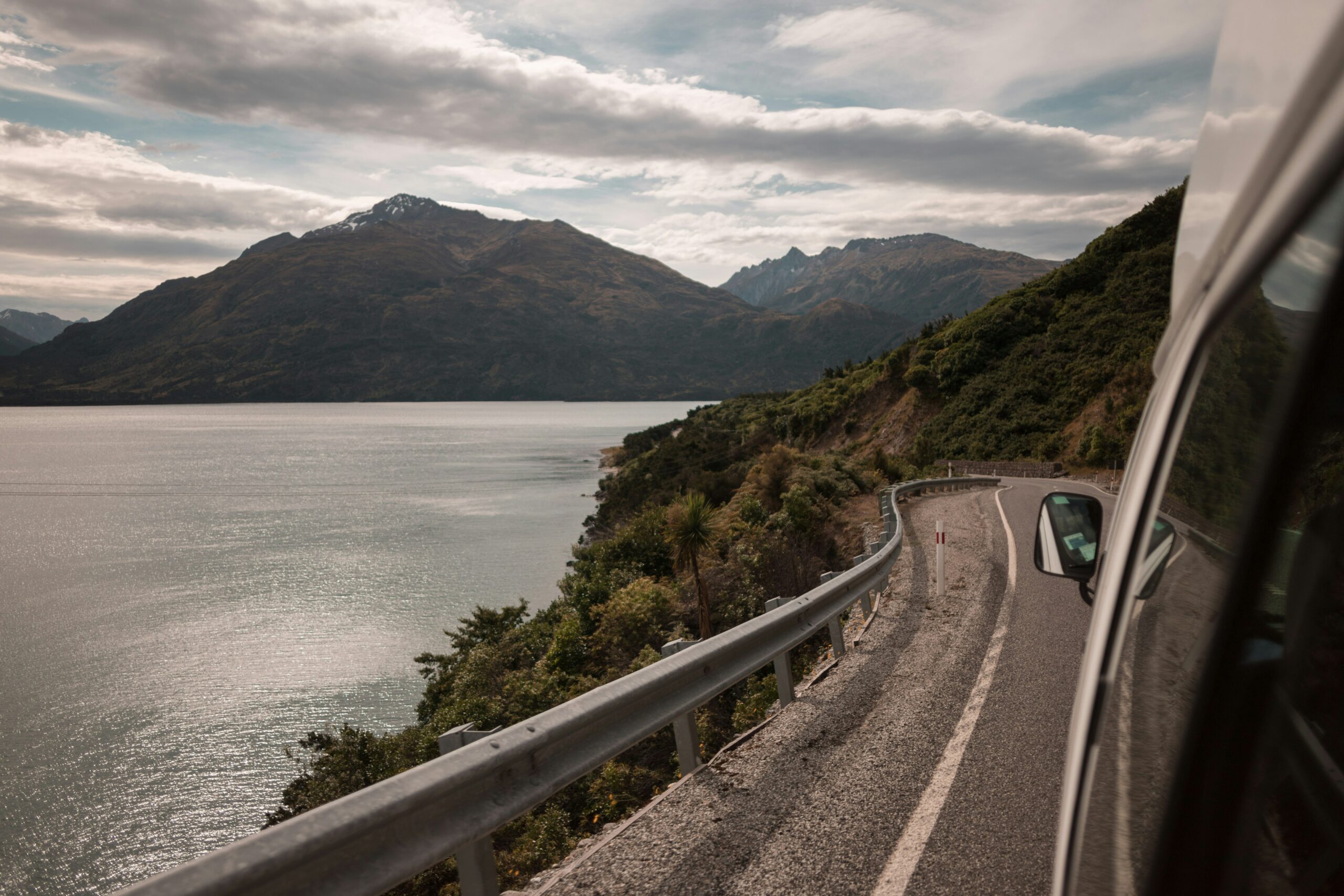
New Zealand drives on the left hand side of the road, much like the UK, Japan, Australia, Ireland, India, Malaysia and Singapore. If you’re coming from a drive-on-the-right country, the adjustment usually takes a day or two of concentration. The classic slip-up is at quiet junctions and when pulling out of car parks, so stay focused at those moments and you’ll be fine. If you’re unsure about anything, you can contact your owner or the Quirky team.
The rules that matter most for overseas drivers
- Speed limits. The general open-road limit is 100 km/h and the default in built up areas is 50 km/h, with a handful of expressways at 110 km/h. Limits vary by road, so follow the signs, with some residential or city areas listed at 30 km/h. Vehicles over 3,500 kg are limited to 90 km/h everywhere, which applies to some larger campervans. Your owner will confirm what applies to your van at handover. The NZTA speed limits guide has the detail.
- One-lane bridges. Common on rural routes, especially the South Island’s west coast. Signs show who has priority: a large arrow means you have right of way, a small red arrow means you give way. Slow down and check before crossing.
- Alcohol limits are low. The legal limit for drivers aged 20 and over is 250 micrograms of alcohol per litre of breath (50 mg per 100 ml of blood), and for drivers under 20 the limit is zero. The simplest approach on a campervan holiday: if you’re driving that day, don’t drink.
- No phones. Handheld phone use while driving is illegal. Use a mount or let your passenger navigate.
- Seatbelts for everyone. All occupants must wear seatbelts at all times, including in the back of the van.
- Allow more time. Add a small buffer to your map app’s estimate, and treat the journey as part of the holiday rather than something to rush.
- Your licence. You can drive for up to 12 months on a full overseas licence if it’s in English, or with an approved translation or an International Driving Permit if it isn’t.
The unwritten Kiwi driving etiquette
These are the things visitors rarely know beforehand:
- Pull over safely if you’re holding up a queue of traffic. Kiwis genuinely appreciate it, and campervans collect queues on winding roads.
- Use passing lanes to let faster traffic overtake, rather than speeding up.
- A small wave says thank you to other drivers. It goes a long way.
- Farmers moving stock, cyclists and logging trucks are part of everyday driving in rural New Zealand. Be patient and give them room.
Sealed roads, unsealed roads, and our forbidden roads policy
Sealed roads are tarmacked with a smooth surface, and New Zealand has a large network of them connecting the main towns and attractions. Unsealed roads are gravel or dirt, usually found in remote corners of the country on the way to beaches, trailheads and campsites.
Here’s our policy, stated plainly. Quirky campervans should be driven on sealed roads, with one exception: well-maintained access roads of less than 10 km to a campground or tourist attraction are fine, as long as conditions are safe. You are responsible for the van, so if the risks feel too high or the weather has damaged the track, turn around. No view is worth a damaged van or a ruined holiday.
If you’d like to travel an unsealed road longer than 10 km, just ask us first. We assess each request on the time of year, the weather and the road itself. Email bookingsnz@quirkycampers.com or call +64 (0)800 437 680 and we’ll give you a quick, honest answer.
The eight forbidden roads
A small number of unsealed roads are off-limits in every Quirky van, in any weather, at any time of year. They’re rough enough to damage vehicles and remote enough that recovery wouldn’t be covered by our policies. The eight roads are:
- 90 Mile Beach (Northland)
- North of Colville Township (Coromandel Peninsula)
- SH38 Te Urewera Rainforest Route, between Murupara and Tuai (Bay of Plenty / Hawke’s Bay)
- Cobb Dam Road (Kahurangi National Park)
- Ball Hut Road beyond the track car park (Aoraki / Mount Cook)
- Mount Aspiring Road beyond Aspiring Helicopters (near Wanaka)
- Glenorchy to Paradise, north of the Priory Road turn-off (near Queenstown)
- Skippers Canyon (near Queenstown)
Our vans carry GPS tracking with geo-fences around these roads, and charges apply if a van is driven on them (or on unsealed roads over 10 km without permission), as set out in our Booking Conditions, in order to protect our owners’ much-loved campers. We’d much rather nobody ever encounters that, which is why we publish the list, explain it at handover, and answer route questions quickly before your trip.
The good news is none of these roads is necessary for a spectacular holiday. Several of the destinations they lead to (Mount Cook’s Hooker Valley, the Routeburn Track end at Glenorchy) remain fully accessible on the permitted portions of road, and tour operators run trips into places like Skippers Canyon if you want to see them without the risk.
What is it like to drive a Quirky camper?
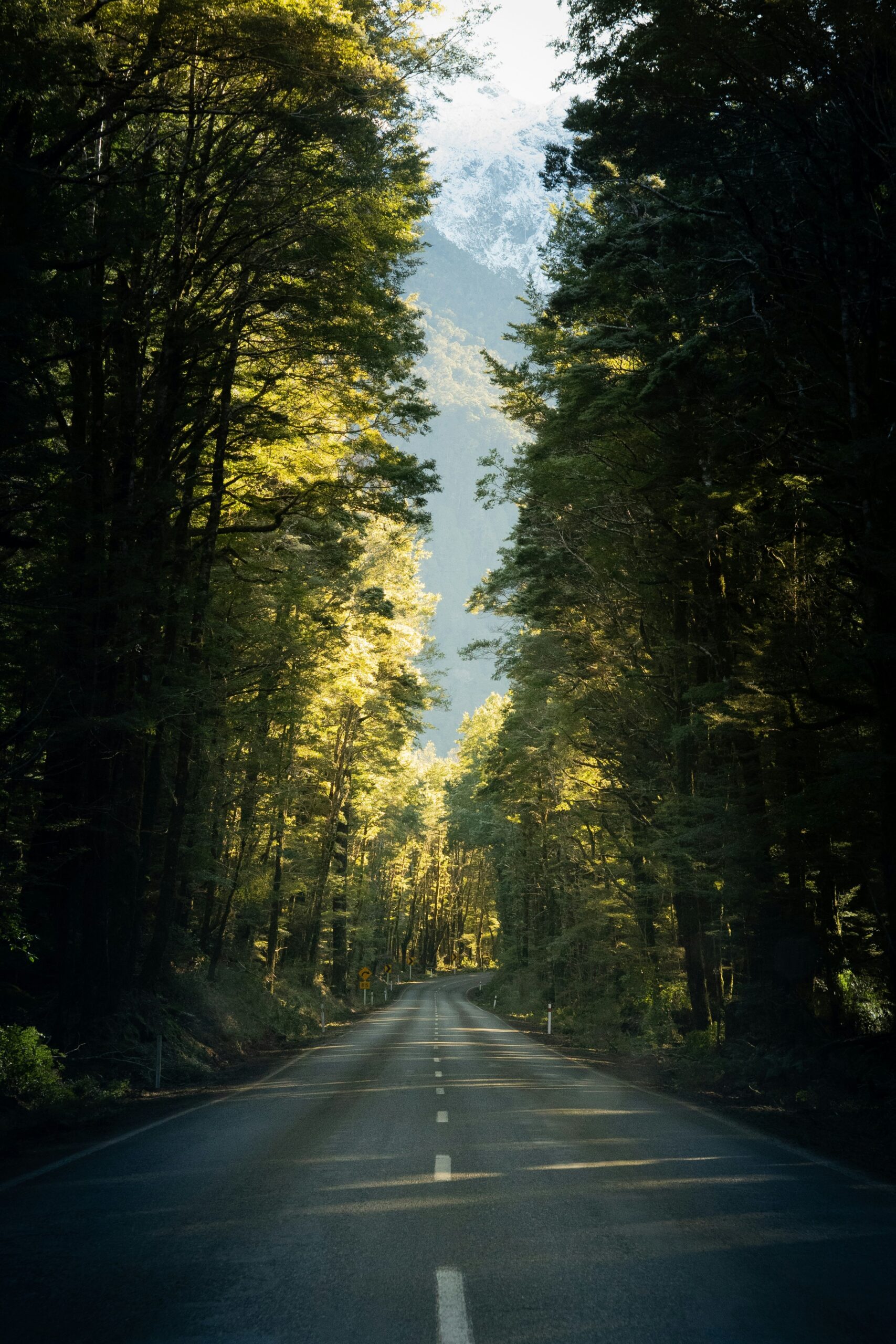
Our fleet ranges from Pēpē, our smallest van at 4.3 m, up to our camper-bus Milford at 7 m, with 50+ vans in between. For context, an average car is 3.6 to 4.5 m long, so many of our campervans aren’t much longer than what you already drive at home.
Where campervans differ most from cars is height. Many of our vans are tall enough to stand up in, which means a lovely high driving position and great visibility, but also means being mindful of overhanging branches at campsites and height barriers at car parks. Memorise your van’s height, or keep it written somewhere handy in the cab.
A few features worth knowing about when you choose your van:
- You can choose a manual or automatic gearbox. If an automatic is a better fit for your trip, you can filter for these on our website when booking.
- Van listings note features like parking sensors and reversing cameras, which make a real difference in tight campsites.
- If you’d like extra peace of mind, our Carefree Traveller protection plan reduces your excess to zero. We’d still ask you to drive like the van is your own, but the option is there if a large excess would weigh on your mind.
Your first 30 minutes: getting comfortable
Before you set off from the handover, run through this short checklist. Your owner will happily talk you through all of it.
- Adjust your mirrors and seat properly. You’ll rely on mirrors more than in a car.
- Learn where the indicators, wipers and lights are before you need them.
- Check and note the vehicle height.
- Practise reversing once or twice, ideally with your travel partner guiding.
- Drive a few quiet streets first to get used to the width before joining faster roads.
Taking your campervan on the Cook Strait ferry
You’re not limited to the island where you pick up your van. Two ferry operators, Interislander and Bluebridge, carry vehicles between Wellington and Picton across the Cook Strait, one of the most scenic ferry crossings in the world. The crossing takes around three and a half hours, and the final stretch through the Marlborough Sounds is a holiday highlight in its own right.
- Book in advance, especially between December and February. Vehicle deck space sells out.
- You’ll need your van’s length when booking, so check your listing or ask your owner.
- Arrive at least 60 minutes before departure. Loading a campervan is straightforward, with staff directing you the whole way.
- Passengers leave the vehicle deck during the crossing, so take what you need (jacket, snacks, camera) up with you to the seating areas.
James’s top roads to drive in New Zealand
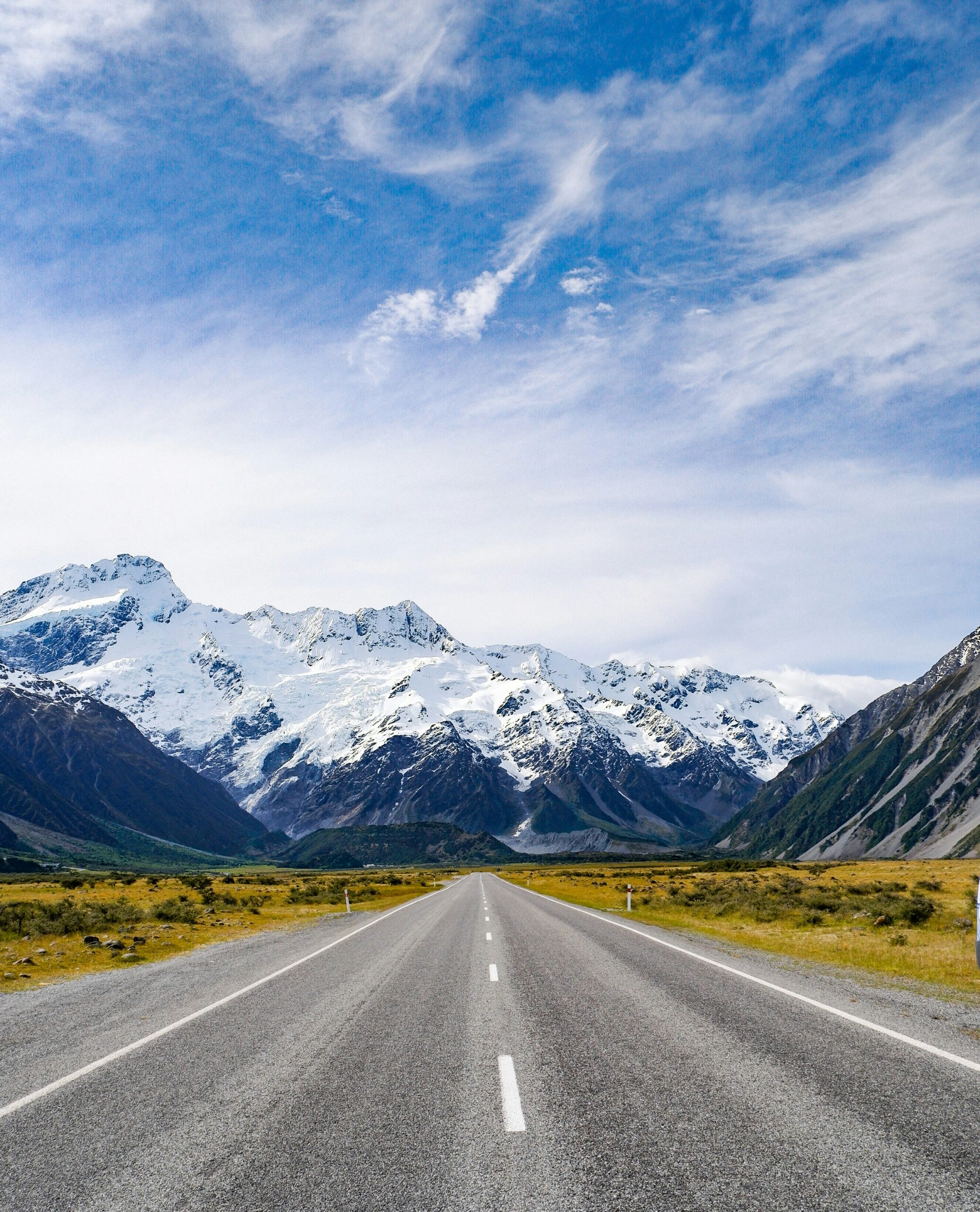
There are countless stunning drives spread across all corners of New Zealand. In fact, you’ll struggle to find a boring road here. These are some of my personal favourites if you want a starting point for your research:
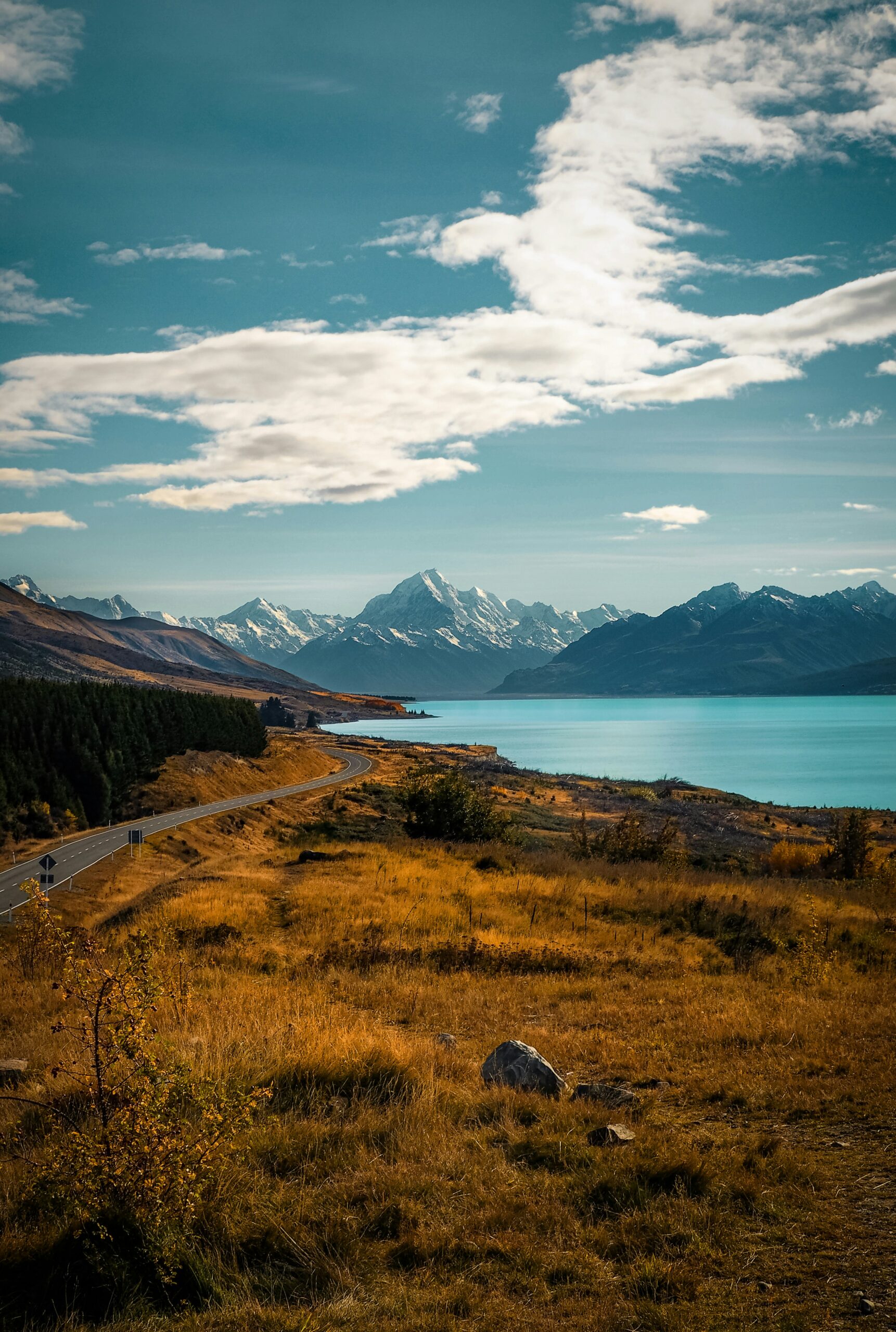
- Lake Pukaki to Mount Cook Village: simply breathtaking, with the turquoise lake beside you and the Southern Alps appearing ready to swallow you as you drive closer and closer. Truly spectacular, and surely one of the best roads anywhere in the world!
- State Highway 1 from Blenheim to Kaikoura: ocean on one side, mountains on the other, and a decent chance of seals near the road at Ohau Point.
- The Desert Road (SH1) through the central North Island: it feels like driving on the surface of the moon (but on a safe, sealed road) with Mount Ngauruhoe (Mount Doom for Lord of the Rings fans) standing beside you.
- Haast Pass (SH6) between Wanaka and the West Coast: think waterfalls, rainforest and river gorges in a single afternoon, and one of the great transitions in New Zealand scenery as the dry Otago hills give way to lush West Coast bush.
- SH25 around the Coromandel Peninsula: a winding coastal classic within easy reach of Auckland, with pohutukawa trees and hidden coves the whole way round.
Quirky’s top tips for staying safe on New Zealand roads
- Just arrived after a long-haul flight? Manage your tiredness. Don’t drive far on day one, rest properly, share the driving, and pull over to sleep if you need to. Tired driving is the most avoidable risk on this list!
- If you’re travelling as a pair, work together when manoeuvring. One person guiding the other into a space prevents most parking incidents at campsites, shops or attractions.
- Heading somewhere remote or alpine, or travelling in winter? Check conditions before you set off on the Waka Kotahi Journey Planner, which shows live road closures, roadworks and warnings across the country.
- Watch for low-hanging branches at campgrounds, especially under trees or when arriving after dark.
- Keep your van’s height memorised or written down for car park height barriers.
- Concentrate on the road. Your phone, lunch and playlist can all wait for the next stop.
- Fuel up before remote stretches, and use Gaspy to find the best fuel prices nearby.
- Choose the right van for you. Our campers range from 4 m to 7 m, and that difference matters. A van you feel confident in beats a van you’re wrestling with.
- Remember you’re never on your own. Every booking includes 24/7 AA Roadside Assistance, your van’s owner is a phone call away, and the Quirky team is available at bookingsnz@quirkycampers.com or on our dedicated WhatsApp number, shared ahead of your trip.
Driving in New Zealand FAQs
Can I drive a campervan on a normal car licence?
Yes, you can drive every campervan in the Quirky fleet on a full, standard car licence. None of our vans requires a special or heavy vehicle licence, and overseas licences in English are valid for up to 12 months.
Is driving in New Zealand difficult?
No, driving in New Zealand is not difficult, but it is different. Roads are well maintained and quieter than most visitors expect, though they’re often winding and journeys take longer than map apps suggest. Drive on the left, allow extra time, and you’ll settle in quickly.
How fast can I drive a campervan in New Zealand?
The open-road speed limit in New Zealand is 100 km/h and the urban limit is 50 km/h, unless signs say otherwise. A few expressways allow 110 km/h for light vehicles. Campervans over 3,500 kg are limited to 90 km/h everywhere. Your owner will confirm what applies to your van at handover.
Are all New Zealand roads sealed?
No, but the vast majority of tourist routes are sealed. Quirky campervans should stay on sealed roads, with one exception: well-maintained unsealed access roads under 10 km to a campground or attraction are fine when conditions are safe. Eight specific roads are forbidden in all conditions, and we publish the full list so you can plan around them.
What happens if I get a flat tyre?
If you get a flat tyre, AA Roadside Assistance (included with every booking, 24/7) can help you fit the spare. The cost of the tyre repair or replacement sits with you up to your insurance excess, unless you’ve chosen our Carefree Traveller protection plan, which covers tyres and windscreens in full.
Do I need to book the Cook Strait ferry in advance?
Yes, book ahead if you’re travelling between December and February, when vehicle deck space regularly sells out. Outside peak season a few days’ notice is usually enough, and you’ll need your van’s length when booking.
Can I park my campervan anywhere overnight?
No, freedom camping is only permitted in designated areas, and rules vary by district. Every Quirky van is certified self-contained to the green sticker standard, which opens up the widest range of legal spots. Our freedom camping guide covers the rules in detail.
What if I’ve never driven anything this big before?
You’ll be in good company: thousands of first-time campervan drivers explore New Zealand safely every year. Choose a van size you feel comfortable with, consider an automatic, take the first 30 minutes to adjust, and ask your owner anything at handover. Most people feel at home behind the wheel within an hour.
Ready to hit the road?
Browse our full fleet of handcrafted campervans and find the van that fits your adventure. For more before you book, see our guides to campervan insurance, safety and compliance and freedom camping in New Zealand. And if you have any questions at all, drop us a line at bookingsnz@quirkycampers.com.
Photography: Kuno Schweizer, Yoann Laheurte, Ravi Kothiya and Jo Jo via Unsplash.
