


Custom converted campers to hire throughout NZ




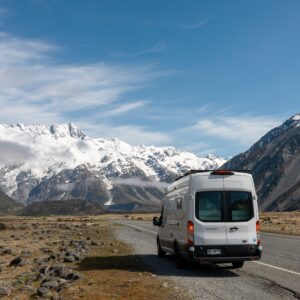
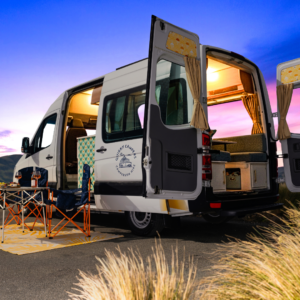
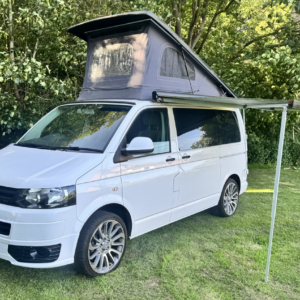
Top Locations







Find your perfect camper


![FullSizeRender-6[Simon Newbury SimonNewbury]_1478x986](https://www.quirkycampers.com/nz/wp-content/uploads/2018/07/FullSizeRender-6Simon-Newbury-SimonNewbury_1478x986-150x150.jpg)
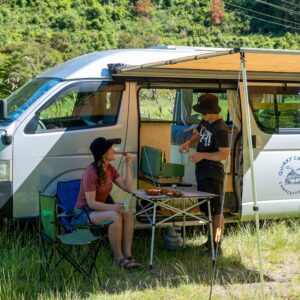



Happy Campers



Discover the Quirkiness
At Quirky, we’re all about sparking joy and adventure by connecting you with the coolest, most unique campervans and motorhomes around. Whether you’re interested in hiring a campervan, looking to buy, or sell, dreaming of converting your own van, or considering renting out your camper as a nifty income stream, we’re here for you. Our fleet boasts an eclectic array of campers, perfect for everyone – from love-struck couples seeking a romantic getaway, to families ready for a fun-packed holiday, and even festival enthusiasts looking for that extra sparkle in their experience. We’re passionate about sustainability, embracing diverse adventures, and celebrating the art of unique designs.

Knowledge Hub

Campervan holidays in NZ: Your guide to creating a dream road trip adventure
by Simon Breed
Is a campervan holiday in New Zealand on your bucket list? You’re not alone. When it comes to dream destinations, New Zealand is top

Quirky NZ routes: 10-12 Day Central North Island Loop
by James O’Hern
Picture yourself arriving in Auckland at the start your NZ adventure. You made it to the far side of the world. But what’s next?

Freedom camping in New Zealand: a 2026 guide for campervan explorers
by James O’Hern
Freedom camping in New Zealand means staying overnight for free on designated public land, rather than at a paid campground. It’s legal in many

Driving a campervan in New Zealand: what it’s really like
by James O’Hern
Driving a campervan in New Zealand is easier than most first-time visitors expect, and it’s one of the best ways to experience the country.

Is it safe to hire a campervan in New Zealand? How Quirky Campers NZ protects you on the road
by James O’Hern
Every campervan in the Quirky Campers NZ fleet meets the same safety and compliance standards as the largest commercial campervan operators in New Zealand.

Campervan insurance with Quirky Campers NZ: explained
by James O’Hern
Every Quirky Campers NZ booking includes fully comprehensive insurance with Vero and 24/7 AA roadside assistance as standard. We offer three protection plans (Ready

How Much Can You Earn Hiring Out Your Campervan in New Zealand?
by James O’Hern
Across the 2025/26 season, the average campervan listed with Quirky Campers NZ returned c.$16,000 to its owner after our fee, and the top performers

Campervan Hire Questions
We can help organise one-way hires, but all our vans are privately owned and one of a kind, so they need to get home after each trip. A one-way hire is possible if the van owner agrees, but a fair relocation charge is added to cover flights, taxis, fuel, road user charges, ferry costs and the owner’s time.
Indicative one-way fees for common routes are:
- Auckland to Queenstown (or vice versa): approximately $2,000
- Auckland to Christchurch (or vice versa): approximately $1,800
- Auckland to Nelson (or vice versa): approximately $1,450
- Auckland to Wellington (or vice versa): approximately $850
- Christchurch to Queenstown (or vice versa): approximately $700
- Nelson to Christchurch (or vice versa): approximately $650
For shorter trips, a one-way hire often is not cost-effective, but it can make sense for longer trips. Email bookingsnz@quirkycampers.com if you would like us to ask an owner about a one-way trip.
Another option is to complete a North Island loop in one Quirky van, then fly south and complete a South Island loop in another. This avoids a one-way fee and lets you experience two different campervans.
Prices vary by campervan, booking length and season. Click the BOOK NOW button to get an instant quote for your preferred dates and campervan. Without dates selected, the price displayed is today’s daily rate in NZD, which may differ from the rate for your chosen season.
At checkout you can add insurance cover to reduce your excess and security bond, with tyre and windscreen cover also available. These options cost between $25 and $29 per day. We occasionally offer special deals through our mailing list and Facebook page.
All drivers must be at least 21 years old, hold a full driving licence (not a learner or restricted licence), and have held it for at least one year.
We accept overseas licences from any country if they are in English or accompanied by a certified English translation or International Driving Permit (IDP). UK, EU, North American, Australian and most Asian licences are valid for driving in New Zealand for up to 12 months from arrival. No heavy-vehicle or motorhome licence is required for our vehicles.
If you have a medical condition, previous driving offence or prior insurance claim, email bookingsnz@quirkycampers.com so we can check any insurer requirements before confirming your booking.
Yes. Every Quirky Campers NZ booking includes specialist comprehensive campervan insurance and 24/7 AA roadside assistance.
You can upgrade your protection at checkout:
Ready Traveller – included: $3,500 excess per damage event and a $2,000 security bond. Tyre and windscreen repairs are at your cost up to the excess. This suits travellers who already have rental-vehicle excess cover through travel insurance.
Relaxed Traveller – $25 NZD per day: reduces the insurance excess and security bond to $500. Tyre and windscreen damage are not included. Maximum charge for long bookings: $975.
Carefree Traveller – $29 NZD per day: $0 insurance excess, $0 security bond, and full tyre and windscreen protection. Maximum charge for long bookings: $975.
Insurance covers all named drivers aged 21 or older who are legally allowed to drive in New Zealand and have held a full licence for at least one year. We cannot rent to drivers under 21 because of insurance restrictions.
During booking, we ask about licence type, previous driving offences, prior insurance claims and medical conditions that could affect driving. Answering yes does not necessarily prevent you from hiring a van, but we may need to confirm additional conditions with our insurer. Email bookingsnz@quirkycampers.com if you would like to discuss your circumstances.
All protection plans cover road-related vehicle damage. The following remain the customer’s responsibility under every plan:
- Interior damage beyond fair wear and tear, including spills, stains, burns, cuts, broken fittings or water damage.
- Personal belongings, which should be covered by your own travel insurance.
Fair wear and tear means minor, unavoidable deterioration from using the campervan as intended, such as light surface scuffs, small marks on high-contact areas or minor fading. It does not include significant stains, burns, cuts, cracks, breakages or damage caused by a lack of reasonable care.
We take a 20% deposit when you book to secure your campervan and dates. The remaining 80% is automatically charged four weeks before your trip begins.
If you book within 14 days of the start date, the full booking fee is charged at the time of booking. International cards attract a 3% payment-gateway fee; this can be avoided by paying the remaining balance by direct bank transfer. We will provide payment instructions by email.
The booking price includes everything you need to pick up and drive away: bedding and towels, unlimited kilometres, additional drivers, breakdown cover, kitchen equipment, gas or LPG where applicable, booking fees and Ready Traveller insurance.
You can upgrade your insurance protection at checkout. Check the individual campervan page for its complete inclusions because every Quirky van is unique. We also do not charge extra for pets in pet-friendly campervans.
The following are not included:
- Upgraded insurance: optional protection plans can reduce your insurance excess and security bond and add tyre and windscreen cover.
- Road User Charges for diesel vehicles: charged for kilometres travelled at the rate set by the New Zealand Transport Agency. The current rate is $0.08 NZD per kilometre, so 1,000 kilometres would cost $80.
- International card fees: Stripe charges 3% when the card is registered outside New Zealand. You can avoid this fee on the remaining balance by paying via direct bank transfer.
Extras are campervan-specific items you may want but do not necessarily need. Availability and pricing vary by van and owner. Examples include bike racks, outdoor furniture, awning tents and stand-up paddleboards.
If you need something that is not listed, ask us and we will see what can be arranged.
Seventy-two hours before you collect your campervan, a security deposit is placed on hold against your credit card. It is not charged and appears as a pending transaction during your trip.
The amount depends on your protection plan: $2,000 with Ready Traveller, $500 with Relaxed Traveller, or $0 with Carefree Traveller. The hold is released after the van is returned safely and inspected.
Under our booking conditions, the deposit – normally 20% of the booking value – is non-refundable, regardless of when you cancel. If you cancel within four weeks of your trip after the remaining balance has been paid, the full hire fee is non-refundable.
In practice, we will try to replace your cancelled booking with another customer. Where we can do so, we will refund you minus an administration fee.
Yes. Our self-contained campervans comply with New Zealand’s current rules, which require a fixed toilet and green self-containment warrant.
Self-containment gives you access to many places to stay, but local freedom-camping bylaws still apply and some destinations restrict overnight camping. Fines can be $400, so always check local rules and follow posted signage.
If an incident occurs, the driver is liable up to the insurance excess for each damage event, regardless of fault. Damage beyond the excess is covered by Quirky Campers and our insurer where a valid claim can be made. The driver must collect the contact details of any third parties involved.
The standard Ready Traveller excess is $3,500 per damage event. Relaxed Traveller reduces it to $500, while Carefree Traveller reduces it to $0. We may separately charge for damage to the interior, exterior, fixtures or fittings that is outside fair wear and tear.
If no driver was operating the vehicle when the damage occurred, the main hirer will be treated as responsible for the vehicle at that time.
Tyre and glass damage is subject to your protection-plan excess. With Ready Traveller, you are liable up to $3,500; with Relaxed Traveller, up to $500. Carefree Traveller includes tyre and windscreen cover with a $0 excess.
We cover the cost of repairing a windscreen chip while you are travelling, provided it can be filled before it becomes a crack. Please act promptly and contact us so a minor chip does not become a windscreen replacement.
All our campervans include 24/7 breakdown cover, roadside assistance and recovery. Mechanical problems are rare, but our first priority is to get you back on the road as quickly as possible.
If a local mechanic can fix the problem within a day or so, we will arrange overnight accommodation until you can continue. If the issue cannot be resolved promptly, we will try to provide an alternative van. If that is not possible, we will help return you to a convenient location, refund any unused nights, and compensate you for the disruption and reasonable out-of-pocket expenses.
