

Home » Why Pet Friendly Campervans Earn More (And How to Make Yours Dog Ready)
Why Pet Friendly Campervans Earn More (And How to Make Yours Dog Ready)
If you’re renting out your campervan and not accepting dogs, you’re potentially leaving significant money on the table. Data from Quirky Campers shows that pet friendly campervans consistently outperform those that don’t accept dogs. Here’s why that happens, and what you need to do to tap into this growing market.
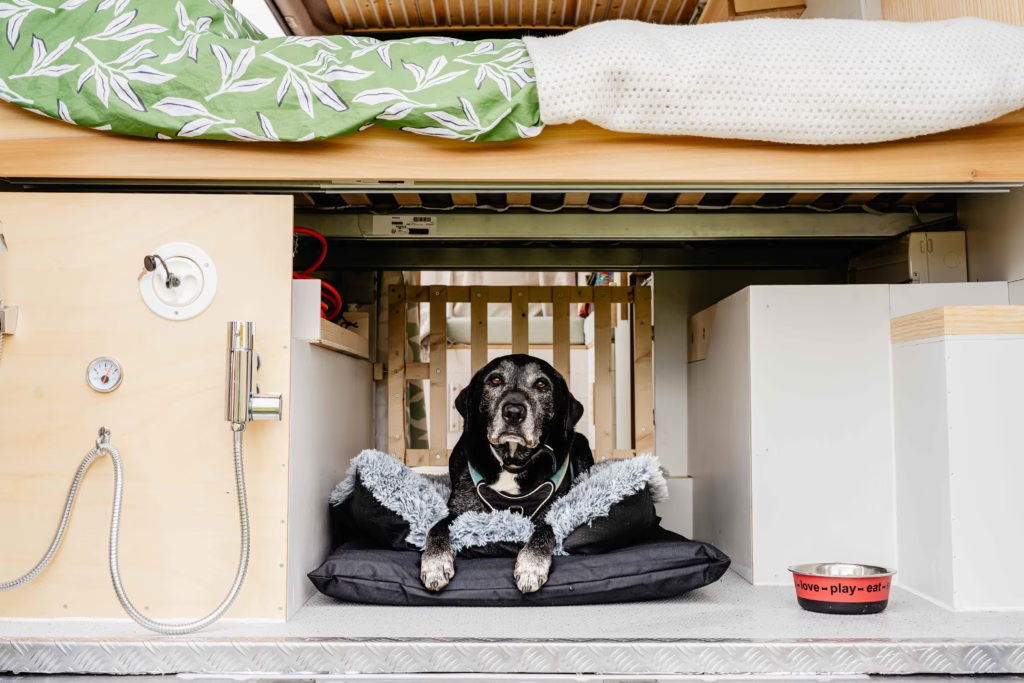
The Pet Travel Market: The Numbers
The demand for pet friendly travel has grown substantially, and the statistics tell a compelling story:
| Statistic | Figure |
| UK dog owners who prefer staycation with pet over holiday abroad without | 85% |
| Increase in dog friendly holiday bookings since 2019 | 94% |
| Year on year growth in pet friendly bookings (2025 projection) | 30% |
| Estimated value of dog friendly travel market by 2030 | £40 billion |
| Travellers who include pets in holiday plans | 53% |
That first figure bears repeating: 85% of dog owners would rather holiday in the UK with their pet than go abroad without them. This isn’t a niche market. It’s the vast majority of dog-owning households, and there are over 12 million of those in Britain.
The University of Surrey’s 2024 research estimates the dog friendly travel sector will be worth nearly £40 billion globally by 2030. This represents one of the fastest-growing segments in leisure tourism, and campervans are perfectly positioned to capture it.
Why Campervans Suit Dog Owners
Campervans are genuinely well suited to travelling with dogs. Unlike hotels or holiday cottages with restrictions, size limits, and extra charges, a campervan offers:
- No breed size restrictions to worry about
- Flexibility to stop whenever the dog needs a break or a walk
- Access to remote, dog friendly locations away from crowds
- No anxiety about leaving a dog alone in unfamiliar accommodation
- Familiar sleeping arrangements for pets with separation anxiety
- The freedom to change plans based on weather or the dog’s mood
Research from Canine Cottages found that 40% of dog owners taking holidays in 2024 were planning multi-generational trips, bringing the whole family including the dog. Campervans accommodate this perfectly, with space for both humans and hounds.
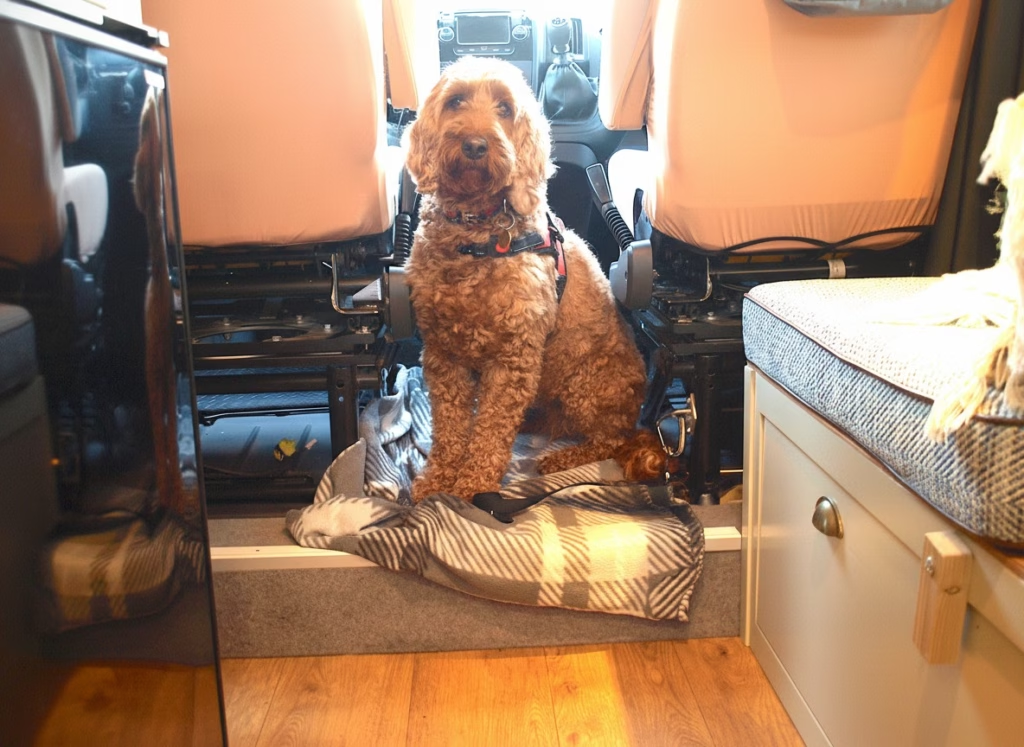
The Booking Advantage
According to data from Paws & Stay, a dog friendly accommodation platform, 70% of all their bookings in 2024 were for properties with enclosed gardens. This tells us something important: dog owners actively seek out accommodation that works for their pets. They’re not just hoping to bring their dog along as an afterthought. They’re specifically searching for pet friendly options from the start.
For campervan owners, being pet friendly means appearing in more searches, reaching more potential hirers, and competing in a segment where demand continues to outstrip supply. Many dog owners report difficulty finding suitable accommodation, particularly during peak periods. Your pet friendly van solves their problem.
Making Your Campervan Dog Ready
Converting your van to accept dogs doesn’t require major modifications or significant investment. Here’s a practical checklist covering what you’ll need:
Essential Requirements
- Washable, removable seat covers or throws for upholstery protection
- Non-slip flooring or mats in main living areas
- Secure, accessible storage for dog food and treats
- Clear written guidance on where dogs can and cannot go (beds, specific furniture)
- Basic first aid supplies including tick remover and antiseptic wipes
Recommended Additions
- Water bowl and food bowl provided (saves hirers packing these)
- Dedicated towels specifically for drying muddy paws
- Spare lead and poo bags for emergencies
- Information pack with local dog friendly walks, beaches, and pubs
- Outdoor mat or groundsheet for muddy days
- Hook or anchor point for securing a lead outside
These additions cost relatively little but significantly improve the experience for dog owners. The information pack particularly adds value, helping hirers discover great walks they might otherwise miss.
Setting the Right Policies
Being pet friendly doesn’t mean accepting every situation without conditions. Successful owners typically set clear policies that protect both the van and the experience:
| Policy Area | Recommendation |
| Maximum number of dogs | 1-2 depending on van size and layout |
| Size restrictions | Consider based on sleeping and living space |
| Additional cleaning fee | £25-50 per booking is typical |
| Where dogs can sleep | Specify clearly in your listing description |
| Dogs left unattended in van | Most owners don’t allow this |
| Damage deposit | Standard practice, covers pet-related damage |
Being clear about policies upfront prevents misunderstandings and attracts responsible dog owners who appreciate knowing the rules.
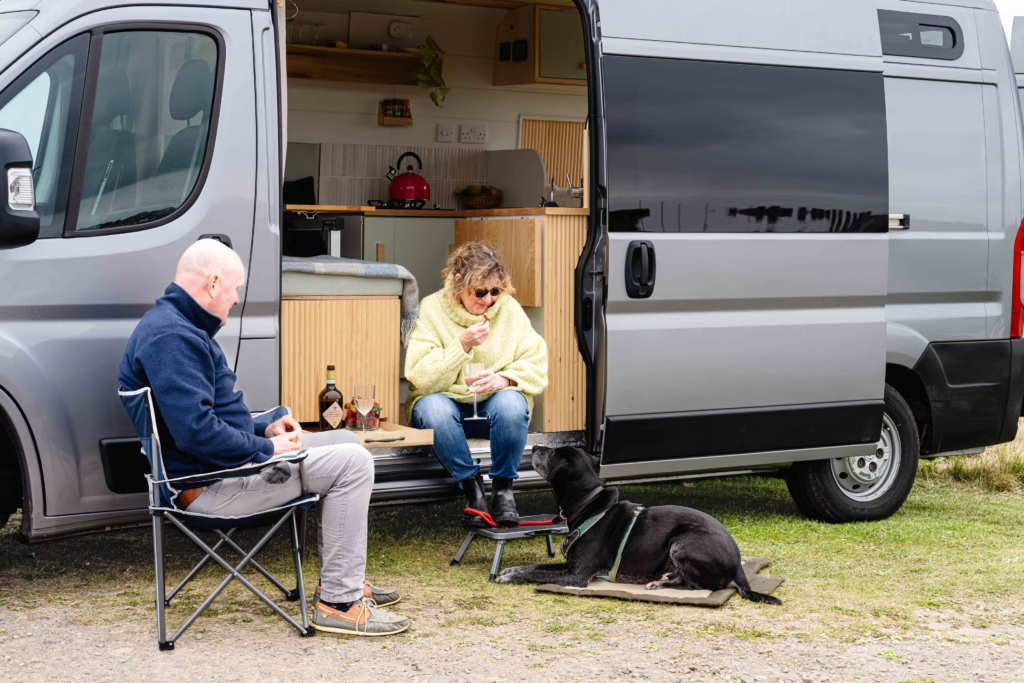
Top Dog Friendly Destinations
If your van is based near any of these areas, you’re well positioned to attract dog-owning hirers:
| Destination | Why It Works for Dog Owners |
| Northumberland | Quiet beaches, castle walks, low crowds |
| Lake District | Mountain walks, dog friendly pubs everywhere |
| Cornwall | Year-round beach access on many beaches |
| Scottish Highlands | Remote trails, outdoor-focused culture |
| Pembrokeshire | Coastal path sections, dog friendly beaches |
| North Yorkshire | Moors walks, traditional pubs, space |
According to Canine Cottages’ 2024 report, Westward Ho!, Keswick and Bude were the top dog friendly destinations, with North of England, Wales and Devon being the most popular regions overall. If your van provides easy access to these areas, highlight this prominently in your listing.
Marketing Your Pet Friendly Van
Once your van accepts dogs, make sure potential hirers know about it clearly and prominently:
- Include photos of a dog enjoying the van (with owner permission, or use your own dog)
- List specific dog friendly features in your description, not just “dogs welcome”
- Mention nearby walks, beaches, and dog friendly attractions by name
- Highlight any extras you provide for four-legged guests
- Use dog-related keywords throughout your listing for search visibility
The goal is to make dog owners feel actively welcomed rather than merely tolerated. Many pet friendly listings feel like grudging acceptance. Stand out by showing genuine enthusiasm.
The Cost of Not Being Pet Friendly
Consider what you’re missing out on by excluding dogs. With 53% of all travellers now taking holidays with their pets, and dog friendly bookings up 94% since 2019, you’re excluding a large and growing segment of the market.
The Kennel Club reports that demand for dog boarding has surged, with some facilities requiring bookings 12 months in advance. Many dog owners simply won’t travel if they can’t bring their pet, or they’ll pay premium prices for accommodation that welcomes dogs.
For these hirers, your pet friendly campervan isn’t just an option among many. It might be one of very few options available. That changes the competitive dynamic entirely.
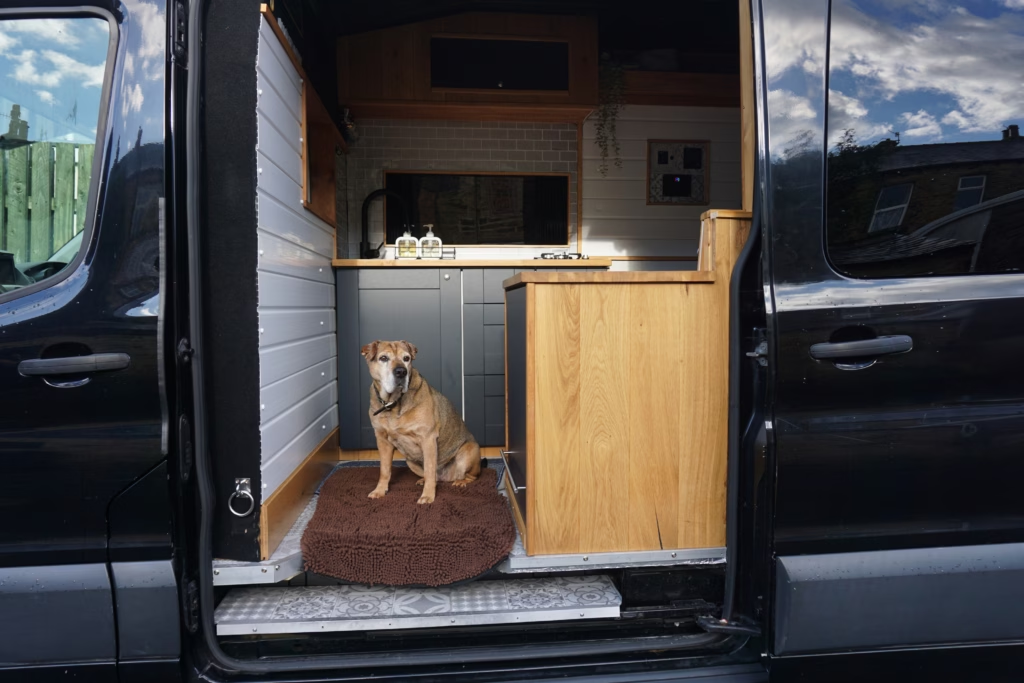
Managing the Practical Realities
Accepting dogs does involve some additional work. Expect:
- Slightly longer cleaning times between bookings
- Occasional hair removal from upholstery
- Very rare damage situations (deposits cover this)
- More questions during the booking process
Most owners find these minor inconveniences vastly outweighed by the increased bookings and the pleasure of welcoming dogs and their owners to their van. Dog owners tend to be respectful hirers who appreciate the welcome.
The Bottom Line
Making your campervan pet friendly requires minimal investment but opens up access to a substantial and growing market. The modifications are straightforward, the additional cleaning manageable, and the increase in bookings well documented by the data.
If you’re not currently accepting dogs, it’s worth reconsidering. The 85% of dog owners who prefer UK staycations with their pets represent an enormous market, and they’re actively looking for campervans that welcome them.
Ready to start earning? List your campervan at Quirky Campers
Related posts
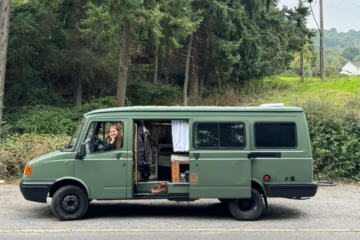
Where you base your campervan matters a lot. Location affects everything from booking frequency to the rates you can charge and the length of …
If you own a campervan that spends more time on the driveway than on the road, you might be sitting on a genuine income …

Reclaim Valentine’s Day as a celebration of love in all its forms – whether that is the love you share with family, friends, your …