

Home » 30 Genius Campervan Storage Hacks That Actually Work
30 Genius Campervan Storage Hacks That Actually Work
Living in a campervan means getting creative with every square inch. We’ve tested countless storage solutions over the years, and here’s what actually works when you’re travelling the UK in a campervan.
What is the difference between a chaotic van and a comfortable one? Smart storage. Let’s dive in.
Under-Bed Storage: Make the Most of Your Biggest Space
Your bed takes up a quarter of your van. Time to make it work harder.
1. Rolling storage boxes (£15-35) slide in and out without lifting the entire bed. We’ve found the shallow ones work better than deep containers—you can actually see what’s in them. Look for boxes around 15-20cm high rather than 30cm+ monsters. Different-coloured boxes for different categories make finding things in the dark so much easier.
2. Vacuum storage bags (£8-20) compress bedding, winter clothes, and spare pillows. Squeeze the air out, and you’ll gain about 50% more space. These bags are a game-changer for seasonal trips. The downside? You must re-vacuum them whenever you open one, so these work best for things you won’t access regularly.
3. A bed frame with built-in drawers (DIY £80-150) turns dead space into organised storage. If you’re handy, this is one of the best investments you can make. The beauty of drawers is that they force you to organise—you can’t just chuck stuff in and hope for the best. Soft-close runners (about £15 extra per drawer) stop them flying open when you’re driving.
4. Categorised containers (£10-25 each) with clear labels prevent you from emptying everything to find one thing. Keep similar items together—all cooking gear in one, all toiletries in another. The key is being brutal about what goes in each box. Waterproof labels on at least two sides mean you can identify them; however, they’re stacked.
5. A sliding platform system (DIY £50-120) on runners means you can access everything without crawling. This is particularly brilliant if you’ve got a high-top van. Essentially, you build a platform that slides out from under the bed, bringing all your storage with it. Go for ball-bearing runners rated for at least 40kg—cheap ones will bend under the weight.

Overhead Solutions: Use That Ceiling Space
Look up. There’s storage potential everywhere.
6. Overhead cabinets (DIY £100-250) along the sides keep everyday items within reach. Watch the weight – you don’t want them coming down in a corner. Mount them to the ribs of your van, not just the ceiling lining, otherwise they’ll rip out on rough roads.
7. Ceiling nets (£15-40) are perfect for lightweight stuff like maps, hats, or that jumper you might need later. Stretchy ones work better than rigid mesh. The bungee-style nets with hooks work brilliantly because you can adjust the tension easily.
8. Hanging shoe organisers (£8-20) attached to cabinet doors hold surprising amounts. We use ours for spices, toiletries, and charging cables. The clear-pocket style ones are worth the extra quid because you can see what’s in each pocket.
9. Magnetic ceiling panels (DIY £30-60) let you stick lightweight metal containers anywhere. This is brilliant for odd-shaped items that don’t fit in boxes. Just keep the weight under 200g per container, or they won’t stay up when you’re driving.
10. A roof box (£150-400) adds serious capacity without touching your interior space. It is essential for longer trips or family adventures. Expect your fuel economy to drop by about 10-15%, though—that’s the trade-off for the extra space.

Magnetic Strips & Hooks: Stick Everything, Everywhere
Metal walls are your friend. Here’s how to use them.
11. A magnetic knife strip (£8-18) keeps cooking knives safe and accessible—better than rattling around in a drawer. Mount it somewhere you won’t bump your head, but can reach easily from your cooking area.
12. Magnetic spice tins (£12-25 for a set) attach directly to metal surfaces. Those walls aren’t just for decoration. Fill them with your most-used spices, and suddenly you’ve freed up loads of cupboard space.
13. Heavy-duty magnetic hooks (£6-15) hold coats, bags, towels, or keys. We’ve got about twelve scattered around our van. You can move them around as your needs change without drilling more holes.
14. A magnetic tool holder (£10-20) stops spanners and screwdrivers rolling about. It’s essential if you’re doing your own maintenance. It also keeps everything visible and within reach when you’re fixing something in a lay-by.
15. A magnetic phone mount (£8-16) keeps your device visible for navigation without taking up surface space. Get one with a strong magnet, though—cheap ones vibrate loose on bumpy roads.
Collapsible Items: Buy Things That Fold Away
If it doesn’t collapse, question whether you need it.
16. A collapsible washing bowl (£8-15) flattens to practically nothing. We use ours for washing up, carrying water, and even foot baths. When collapsed, it’s about 3cm thick and slides into any gap.
17. A folding kettle (£20-35) boils water and then squashes flat. It sounds gimmicky, but it’s actually brilliant. It saves about half the cupboard space of a normal kettle and works just as well.
18. A collapsible colander (£6-12) drains pasta and then disappears. Every centimetre counts in a van kitchen. These silicone ones pop flat and are dishwasher safe, too.
19. Stackable storage containers (£15-30) that nest inside each other when empty save loads of space. Look for square ones—they pack better than round ones. When not in use, they take up about a quarter of the space.
20. Fold-flat crates (£10-25) are perfect for shopping trips. They expand when needed and collapse when not. Keep a couple in the under-bed storage. They are perfect for farmers’ markets or big supermarket runs.

Hidden Compartments: Storage You Didn’t Know You Had
Get creative. There’s space in places you haven’t thought about.
21. Cavity wall storage (DIY £20-50) between your van’s metal shell and interior panels. This space is perfect for rarely used items or documents. It often goes completely wasted, but it’s ideal for flat things like maps, paperwork, or even a spare key.
22. If you have internal steps, consider under-step storage (DIY £15-40). Lift-up treads create surprisingly useful compartments, great for tools, cleaning supplies, or emergency equipment. Just make sure the hinges are strong enough for regular use.
23. Behind-seat pockets (£10-25) use the gap between your cab seats. They’re great for maps, sunglasses, or snacks. The mesh ones let you see what’s in there without rummaging, which is brilliant when you’re the passenger and the driver wants something.
24. False floor compartments (DIY £50-150) hide valuable items or create extra depth. They are particularly useful for campervan security. They are out of sight, out of mind for anyone having a nosy through your windows.
25. Inside cushion storage (DIY £30-80) turns seating into secret compartments. Just make sure there’s ventilation to avoid damp. Zip-up bases work better than Velcro, which is less likely to fail over time.
Door Storage: Don’t Waste Vertical Space
Your doors swing open several times a day. Make them work.
26. Over-door organisers (£12-28) hang inside sliding or back doors. They’re brilliant for shoes, cleaning supplies, or toiletries. The ones with clear pockets work best, so you don’t constantly check what’s where.
27. Door-mounted racks (DIY £15-35) for bottles, cleaning products, or cooking oils. Just secure them properly – you don’t want glass smashing. We use elastic bungee cords across ours to stop bottles from jumping out on rough roads.
28. Cup holder inserts (£8-18) on door panels keep drinks stable while driving—better than spills on upholstery. Look for the silicone ones that grip different-sized bottles and mugs.
DIY Builds vs Bought Solutions: What’s Worth It?
We’ve done both. Here’s what we’ve learned.
29. DIY shelving units (£40-120) customised to your exact space beat generic shop-bought options every time. Measure twice, cut once. The beauty of DIY is using every awkward corner and angle that standard products miss.
30. Bought modular systems (£80-250) like those Skoolie or campervan-specific storage units, which save time if you’re not handy. They work, but you’ll pay for convenience. The advantage is they’re designed for van life, so they handle vibration and movement better than IKEA.
The Real Storage Strategy That Works
Here’s what we’ve figured out after years of campervan life. It’s not just about adding more storage – it’s about having less stuff.
Seriously, every few months, go through everything and ask, “Have we used this in the last three trips?” If not, it goes.
The best storage solution often does not carry things you don’t need.

Storage by Zone: The System That Makes Sense
Kitchen zone: Keep cooking gear, food, and cleaning supplies together—everything within arm’s reach of your hob.
Sleeping zone: Bedding, clothes, and personal items. Store daily-use clothes separately from seasonal stuff.
Work/leisure zone: Books, laptops, games. Keep entertainment and work items accessible but out of the way.
Utility zone: Tools, first aid, cleaning supplies. Things you need but not every day.
This zoning approach has transformed how we pack for quirky camper holidays. Everything has a place, and that place makes sense.
Seasonal Storage Swaps
Summer storage: Prioritise cooler bags, beach gear, and outdoor cooking equipment. Winter stuff goes in vacuum bags under the bed.
Winter storage: Bring out extra blankets, heaters, and warm clothes. Summer gear gets compressed and stored. Check our campervan heating options for winter trips.
Swap your storage around twice a year. It forces you to reassess what you’re actually carrying.
Weight Distribution Matters
This isn’t just about fitting everything in. It’s about balance.
Heavy items go low and central, while light stuff can go high. This keeps your van stable and prevents that sketchy feeling in corners.
We learned this the hard way on a Scottish road trip when we loaded everything up top. It’s not recommended.
Top Storage Mistakes We’ve Made (So You Don’t Have To)
Storing things in soft bags: Everything becomes a jumbled mess. Rigid containers every time.
Overfilling overhead storage: It’s dangerous. It shouldn’t be up there if it could hurt someone falling from that height.
Ignoring moisture: Damp kills. Ventilation holes in storage boxes prevent mould, especially in clothing storage.
Not securing loose items: That tin of beans becomes a missile in an emergency stop. Everything needs to be contained or secured.
Buying before measuring: We’ve got a stack of “nearly fits” containers. Measure your spaces first.

Quick Access vs Deep Storage
Some things you need every day. Others you might want once a month.
Quick access: Clothes, toiletries, phone chargers, keys, and coffee (obviously) should be kept in easy-to-reach spots.
Deep storage: Spare parts, seasonal gear, extra bedding, and tools can go in harder-to-access spaces like under-bed storage.
The mistake is making deep storage accessible and quick-access storage awkward. We spent three months with this backwards before we sorted it.
Converting Your Van? Build Storage In
If you’re converting your van, consider storage before anything else. Seriously.
Your bed design determines under-bed storage, your wall thickness affects cavity storage, and your ceiling height limits overhead options.
We’ve seen brilliant conversions and awful ones. The difference? Storage was either an afterthought or the starting point.
The One Storage Rule We Swear By
You don’t need something if you haven’t used it three times.
This rule has saved us from carrying “just in case” items that take up space and add weight.
Exceptions? Safety equipment, first aid kit, spare parts. Everything else is negotiable.
Final Thoughts on Campervan Storage
Smart storage isn’t about cramming more in. It’s about making what you need accessible and what you don’t need either gone or properly stored.
Whether you’re renting a campervan for a week or living in yours full-time, these storage hacks work. We’ve tested them on NC500 road trips, week-long Cornwall adventures, and everything in between.
Start with the basics—under-bed boxes, magnetic hooks, and overhead nets—and add the fancy stuff as you determine what you actually need.
And remember, the best storage solution is the one you’ll use. Keep it simple, keep it accessible, and keep reassessing.
Ready to use these storage ideas? Check out our guide on what to pack for your campervan holiday, or explore the practical side of hiring a campervan.
Related posts

Let’s talk about showers in campervans. Everyone who converts a van thinks they need one. Then they built it, used it twice, and wondered …

Let’s talk about solar panels for campervans. Not the glossy Instagram version where everything’s perfect and sunny. The real British version where it rains …
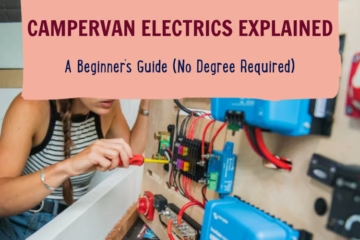
Right, let’s talk about campervan electrics without making your brain hurt. We promise – no complicated diagrams, no technical jargon you need a dictionary …