



Step inside ten different campervans for sale and you’ll discover ten entirely different worlds. Two vans of identical length, built on the same base vehicle, can feel completely different inside. One might seem cramped and awkward. The other, somehow spacious and logical.
The difference comes down to layout.
Get this decision right and every trip feels effortless. Get it wrong and you’ll spend years working around compromises that never quite fit how you actually travel.
This guide helps you understand the main layout families, what each offers, and crucially, what each sacrifices. Because every campervan layout involves trade-offs. The trick is choosing trade-offs you can live with.
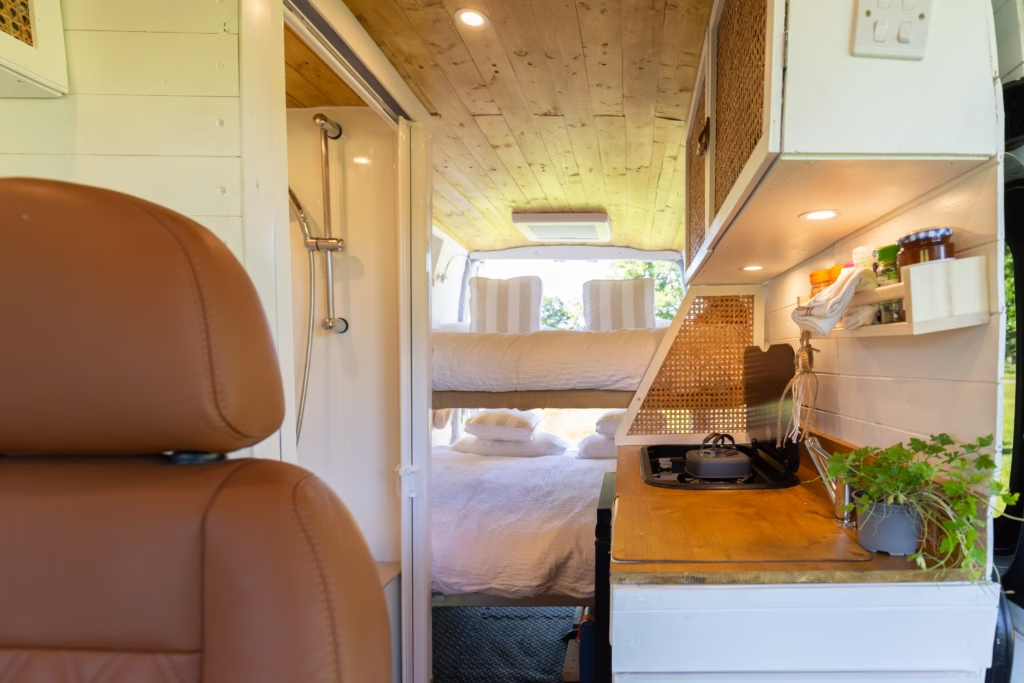
Start With Your Priorities
Before diving into specific layouts, consider three fundamental questions:
How important is a permanent bed? Fixed beds mean no daily conversion faff, but they consume space around the clock. Convertible beds free up daytime living area but require effort morning and evening.
Where will you spend most of your time? Some travellers live outdoors, returning to the van mainly for sleeping and shelter. Others spend hours inside, especially in British weather, and need comfortable lounging space.
What must you carry? Bikes, surfboards, kayaks, and photography equipment all demand specific storage solutions that influence layout choices significantly.
Your answers to these questions will narrow the field considerably before you even start browsing listings.
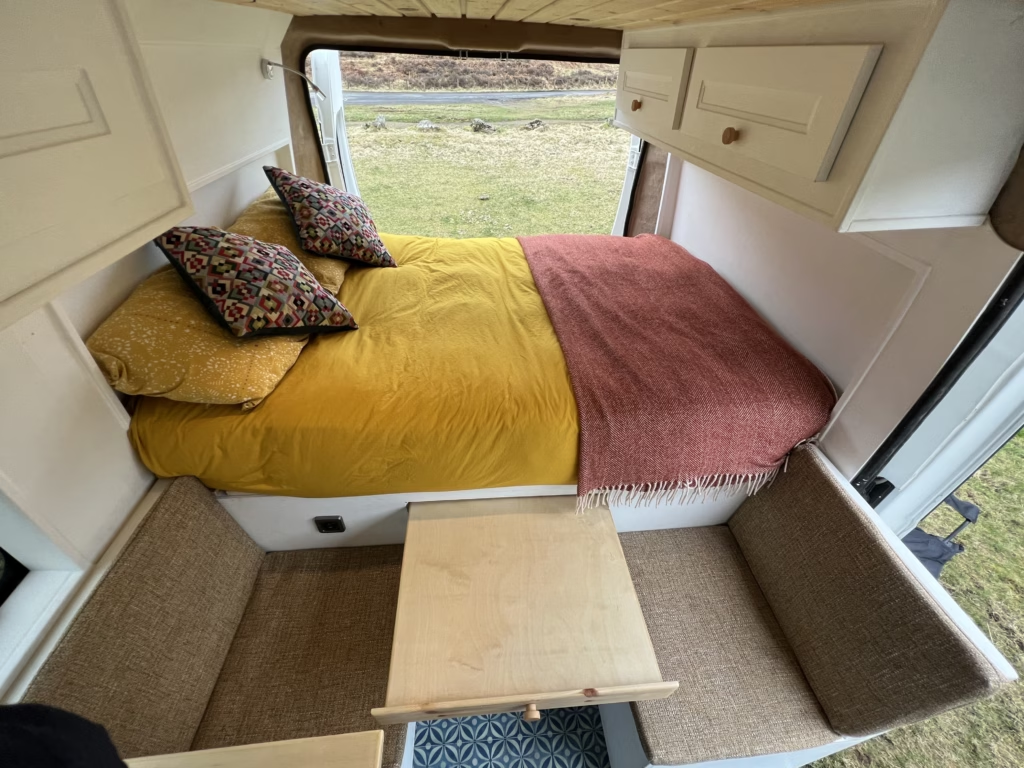
Sleeping Arrangements: The Biggest Decision
The bed configuration shapes everything else in a campervan. It determines available living space, storage capacity, and daily routines. Understanding your options here matters more than any other layout decision.
Fixed Bed Layouts
Fixed beds remain made up permanently, ready to collapse into at any hour. No cushion shuffling, no hunting for bedding stored elsewhere during the day.
Rear transverse bed runs across the full width of the van at the back, typically raised high enough to create a garage storage area underneath. This is the most popular arrangement in larger campervans for good reason: generous sleeping width (usually 130cm to 150cm), substantial storage for bulky items, and clear separation between bedroom and living areas.
The trade-off? You lose rear door access to the living space. The garage doors become purely storage access. In smaller vans, the raised bed can make the remaining living area feel cramped.
French bed (also called corner bed) sits lengthways along one side wall, angled into a corner. This preserves a walkway past the bed and often allows rear door access to remain useful. Taller sleepers appreciate the extra length compared to transverse arrangements.
The trade-off? You sacrifice width. Most French beds accommodate 120cm to 130cm, which suits couples who sleep close but frustrates those who prefer space. The asymmetrical arrangement also limits furniture placement options.
Lengthwise twin beds run along each side wall with an aisle between. Popular in larger motorhomes and some converted vans, this arrangement suits friends travelling together or couples who prefer separate sleeping surfaces.
The trade-off? Twins rarely convert to a double without awkward infill sections. The central aisle consumes floor space that could otherwise serve as living area.
Convertible Bed Layouts
Convertible beds transform from seating or open floor space into sleeping surfaces each evening. They demand more effort but reward you with genuinely usable daytime living areas.
Rock and roll beds fold from a rear bench seat into a flat sleeping surface, typically filling most of the van’s rear section. The mechanism is proven, straightforward, and found in everything from classic VW campers to modern conversions.
The trade-off? The bed often sits lower than fixed alternatives, reducing under-bed storage. The mattress thickness is limited by the folding mechanism. Some find the slightly inclined sleeping surface uncomfortable for extended trips.
Dinette conversions lower a table between facing benches to create a bed platform, with cushions filling the gaps. This maximises daytime seating capacity and creates useful table space for eating, working, or games.
The trade-off? The conversion process is more involved than rock and roll beds. Sleeping surface quality depends heavily on cushion design and table height matching. Storage beneath benches is often limited.
Cab-over beds in coachbuilt motorhomes provide a permanent sleeping space above the driving cab, leaving the main living area free. Many also include a second convertible bed in the rear lounge.
The trade-off? Climbing into cab-over beds becomes less appealing with age or mobility issues. The bed height can feel claustrophobic to some sleepers. These layouts typically require larger, heavier vehicles.
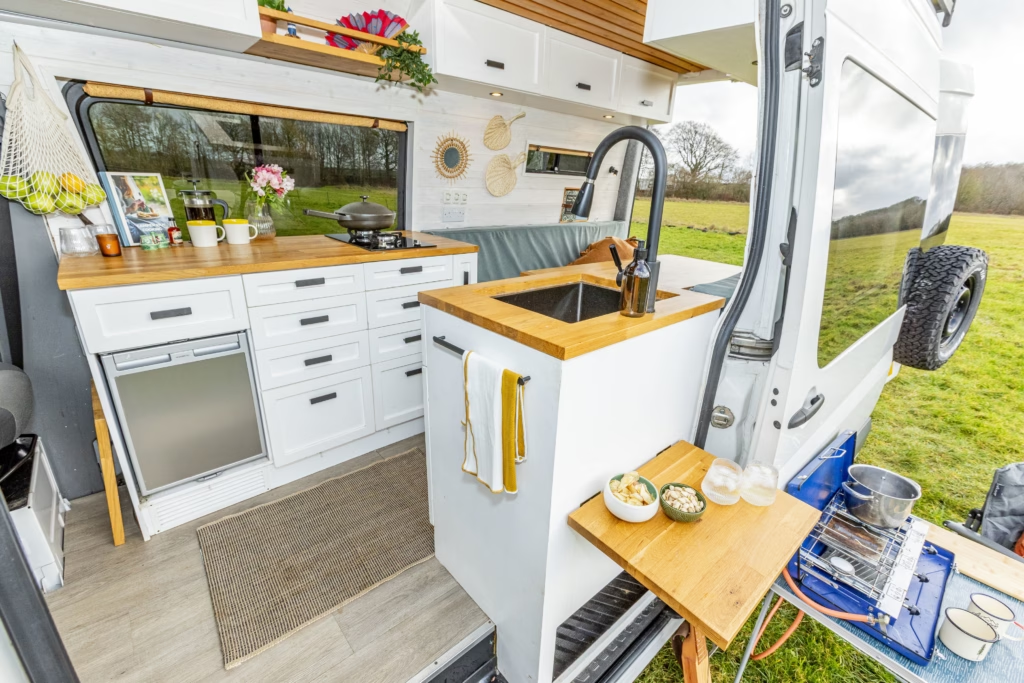
Living Space: Lounges, Kitchens, and Everything Between
Once sleeping is sorted, the remaining space divides between lounging, cooking, and potentially washing facilities. How that division works shapes daily life significantly.
Lounge-Focused Layouts
If you spend significant time inside the van, whether for British weather, remote working, or simply enjoying downtime, lounge space matters.
Front lounge layouts place seating immediately behind the cab, often incorporating swivelled cab seats to create a sociable U-shaped arrangement. The kitchen and bedroom occupy the rear.
This works brilliantly for: evening relaxation facing forwards with a view, accommodating visitors, creating distinct zones for different activities.
The sacrifice: kitchen access requires walking through the lounge. Cooking smells permeate the seating area. The rear bedroom can feel isolated.
Rear lounge layouts reverse this, placing seating at the back with large rear windows or barn doors creating panoramic views. The kitchen sits mid-van or towards the front.
This works brilliantly for: scenic locations where you want to gaze out the back, al fresco dining with doors open, keeping cooking mess separate from relaxation areas.
The sacrifice: forward views are blocked by the kitchen. The layout can feel back-to-front for some users. Cab seat swivelling becomes less useful.
Kitchen Placement Options
Kitchen position affects workflow, ventilation, and how the van feels overall.
Side galley kitchens run along one wall, typically opposite a sliding door. This provides natural ventilation while cooking and maximises worktop length.
Rear kitchen layouts place cooking facilities across the back of the van, often with barn doors that open to create an indoor/outdoor cooking space in good weather.
L-shaped kitchens wrap around a corner, providing more worktop and storage than linear arrangements but consuming more floor space.
For most buyers, kitchen specification matters more than precise position. Look for adequate worktop space (at least 60cm clear for food prep), proper ventilation (opening window or fan above the hob), and sufficient storage for your cooking style.
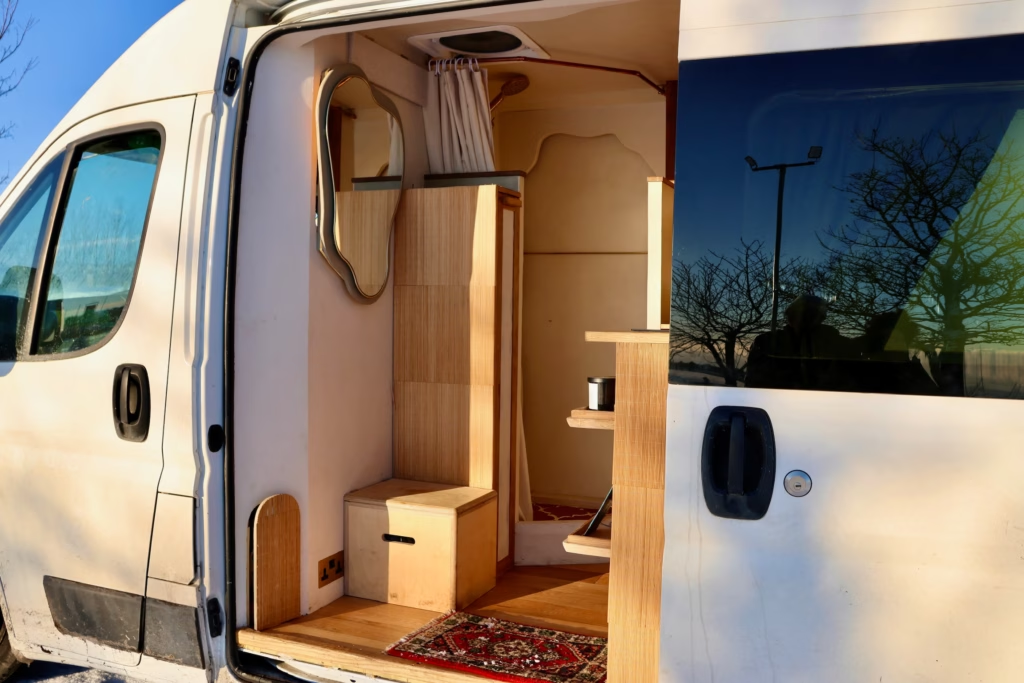
Bathroom Configurations
Bathroom facilities range from non-existent to surprisingly comprehensive. Your tolerance for campsite facilities versus self-contained independence shapes this choice.
No fixed bathroom keeps weight down and living space up. A portable toilet stored under a seat or in a garage handles emergencies. Showers happen at campsites, leisure centres, or via a solar bag rigged outside.
This suits: weekend warriors using serviced campsites, minimalists prioritising space over convenience, wild campers comfortable with outdoor alternatives.
Wet room bathrooms dedicate a corner to a shower tray with the entire space waterproofed. The toilet typically sits in the same area, with a curtain or door for privacy. Everything gets wet when you shower, but the space remains usable for other purposes when dry.
Separate shower and toilet arrangements provide more privacy and keep the toilet accessible while someone showers. This requires more space but offers more domestic comfort.
Toilet only configurations provide the essential convenience without the space demands of shower facilities. Many travellers find this the sweet spot: self-contained for overnight stops but not over-complicated.
What Your Van Size Allows
Base vehicle dimensions constrain layout possibilities significantly. Understanding these constraints helps you shop realistically.
Short Wheelbase (around 5m length)
The classic VW Transporter size. Layouts must prioritise ruthlessly.
Achievable: Rock and roll bed, compact side kitchen, minimal storage. Possibly a hidden porta-potty.
Challenging: Fixed beds (unless very cramped living space), any bathroom facilities, substantial kitchen worktop.
Best for: Weekend trips, single travellers or very compatible couples, those prioritising driving ease over living space.
Medium Wheelbase (around 5.4m length)
The extra 40cm opens significant possibilities.
Achievable: Fixed rear bed with small garage, reasonable side galley, perhaps a wet room corner.
Challenging: Separate bathroom, generous lounge seating, substantial storage for bulky equipment.
Best for: Regular week-long trips, couples wanting more comfort than SWB allows, those balancing driveability with liveability.
Long Wheelbase (around 6m length)
The most popular size for serious touring.
Achievable: Fixed rear bed with proper garage, full side kitchen, separate toilet area, reasonable lounge space.
Challenging: Truly separate bathroom with shower, multiple sleeping areas, extensive storage.
Best for: Extended trips, couples prioritising comfort, those carrying significant equipment.
Maxi/Extended (6.4m+ length)
Maximum space before jumping to coachbuilt motorhomes.
Achievable: Almost any layout combination, including separate bedroom, bathroom, kitchen, and lounge areas.
Challenging: Parking in standard spaces, manoeuvring in tight locations, ferry pricing.
Best for: Full-timing, families, those prioritising living comfort over vehicle practicality.
Matching Layouts to Lifestyles
Different travel styles suit different layouts. Consider which description fits you best:
Weekend Escapers
You travel frequently but briefly, often to serviced campsites or festival sites. Quick setup and packdown matters. You don’t need extensive facilities because you’re rarely off-grid for long.
Look for: Convertible beds that free up daytime space, compact kitchens sufficient for simple meals, minimal bathroom facilities, easy-access storage for weekend bags.
Avoid: Complex fixed bed arrangements that waste space on short trips, extensive bathroom facilities you won’t use, layouts optimised for extended self-sufficiency.
Touring Couples
You take longer trips, perhaps two weeks or more, mixing campsites with wild camping. Comfort matters because you’ll spend significant time in the van. You want to be reasonably self-contained.
Look for: Fixed beds to avoid nightly conversion, proper kitchen for cooking proper meals, at least toilet facilities, comfortable seating for rainy days, storage for varied clothing and equipment.
Avoid: Layouts prioritising passenger capacity over couple comfort, minimal kitchens that force eating out, designs optimised for fair-weather use only.
Browse campervans just for two to see layouts optimised for couple travel.
Adventure Seekers
Bikes, boards, boats, or climbing gear dominate your packing list. The van is a base camp, not a destination. You spend more time outside than in.
Look for: Substantial garage storage accessible from rear doors, hard-wearing interiors that handle muddy equipment, simple facilities that don’t mind rough treatment, layouts that prioritise storage over living space.
Avoid: Plush interiors that suffer from outdoor activity use, layouts where gear storage compromises bed access, designs requiring everything to be pristine.
Browse off-grid campervans featuring layouts built for adventure.
Family Travellers
You need to sleep more than two people, keep children entertained in bad weather, and store the astonishing quantity of stuff families require.
Look for: Multiple sleeping areas (pop-tops, cab-overs, or convertible dinettes), proper table space for activities, substantial storage throughout, layouts where adults can function while children sleep.
Avoid: Cosy couple layouts with no expansion capacity, designs where one sleeping area blocks access to everything else, minimal storage that forces impossible packing choices.
Browse family campervans to see layouts accommodating more than two.
Full-Timers and Extended Tourers
The van is genuinely home, at least for significant periods. Every domestic function needs proper provision. Compromises acceptable for holidays become intolerable for months-long living.
Look for: Fixed bed you’ll enjoy sleeping in indefinitely, kitchen capable of varied cooking, proper bathroom with shower, workspace if you work remotely, storage for a real wardrobe and possessions.
Avoid: Layouts designed for occasional use, temporary-feeling solutions, designs requiring constant adaptation.
How to Test Before You Buy
The smartest campervan buyers try layouts before committing. Reading descriptions and viewing photos tells you what a layout includes. Actually living in it reveals whether it works for you.
Hire a campervan for a long weekend or week. Pay attention to:
Morning routines: Does the bed conversion (if any) feel sustainable for daily repetition? Can two people get ready without constantly swapping places?
Mealtimes: Is there enough worktop for your cooking style? Can you prepare food comfortably while someone else relaxes?
Evening comfort: Is the seating genuinely comfortable for extended periods? Can you read, work, or watch something without awkward positions?
Storage realities: Did everything fit? Were frequently-needed items accessible without unpacking others?
Movement flow: Did you constantly bump into things or each other? Were pathways logical for how you actually moved around?
A single hire trip can save years of frustration with an unsuitable purchase.
Finding Your Perfect Layout
Armed with this understanding, you’re ready to browse listings with purpose. When viewing campervans for sale, you can now:
Filter by priorities: Fixed bed or convertible? Bathroom or not? Specific van size?
Assess trade-offs: Every listing involves compromises. You can now identify which compromises matter for your travel style.
Ask better questions: “How does the bed conversion work?” becomes “Can I see the bed conversion and time how long it takes?”
Spot deal-breakers early: Layouts that fundamentally conflict with your priorities become obvious before you waste viewing time.
For deeper exploration of specific layout designs and their optimisation, see our comprehensive guide to 20 campervan layout ideas covering everything from elevator beds to expanding pods.
When you’re ready, browse campervans for sale with your layout priorities clear.
The right layout transforms a metal box into a genuine home on wheels. Take time to find yours.
Frequently Asked Questions
What is the best campervan layout for couples?
Most couples prefer a fixed rear bed layout, either transverse (across the width) or French bed (lengthways along one side). Fixed beds eliminate daily conversion and provide comfortable sleeping without compromise. For couples who prioritise daytime living space over sleeping convenience, a rock and roll bed frees up the rear area during the day. The right choice depends on how you travel: frequent short trips suit convertible beds, while extended touring favours fixed arrangements.
What is the most popular campervan layout?
The fixed rear bed with garage storage underneath is the most common layout in larger campervans. This arrangement offers permanent sleeping, substantial storage for bulky equipment, and clear separation between bedroom and living zones. For smaller vans like VW Transporters, the rock and roll bed remains popular due to space constraints. Side galley kitchens appear in most layouts regardless of bed configuration.
What size campervan do I need for a fixed bed?
A medium wheelbase van (around 5.4m) is the minimum practical size for a fixed double bed, though living space will be limited. Long wheelbase vans (around 6m) comfortably accommodate a fixed rear bed plus proper kitchen, some bathroom facilities, and reasonable lounge space. Short wheelbase vans can technically fit fixed beds, but the remaining living area often feels too cramped for comfortable extended use.
Should I choose a fixed bed or rock and roll bed?
Fixed beds suit travellers who prioritise sleep comfort and dislike daily routines. You climb in at any hour without preparation. Rock and roll beds suit those who value daytime living space and don’t mind a brief conversion process. Consider your trip length too: the conversion feels fine for weekends but can become tiresome over weeks. If you’re unsure, hire campervans with each type before buying.
Do I need a bathroom in my campervan?
It depends on how you travel. Weekend campers using serviced sites rarely need onboard facilities. Extended tourers mixing wild camping with campsites appreciate at least a toilet for overnight convenience. Full-timers typically want comprehensive bathroom facilities including a shower. Many buyers find a toilet without shower hits the sweet spot: self-contained for overnight stops without the space demands of full wet rooms.
What is a French bed in a campervan?
A French bed runs lengthways along one side wall rather than across the van’s width. This preserves a walkway past the bed and suits taller sleepers who find transverse beds too short. The trade-off is reduced width, typically 120cm to 130cm compared to 130cm to 150cm for transverse arrangements. French beds appear most often in luxury campervans where sophisticated space planning justifies the asymmetrical layout.
The right layout transforms a metal box into a genuine home on wheels. Take time to find yours.