

Home » Campervan Shower Guide: Every Option Compared (Including Why You Might Not Need One)
Campervan Shower Guide: Every Option Compared (Including Why You Might Not Need One)
Let’s talk about showers in campervans. Everyone who converts a van thinks they need one. Then they built it, used it twice, and wondered why they sacrificed all that storage space.
Over the past five years, we’ve tested every shower option, from fancy wet rooms to freezing cold roadside washes. Here’s the truth about staying clean in a campervan.
Spoiler: Most people don’t actually need a built-in shower. But let’s explore all the options so you can decide for yourself.
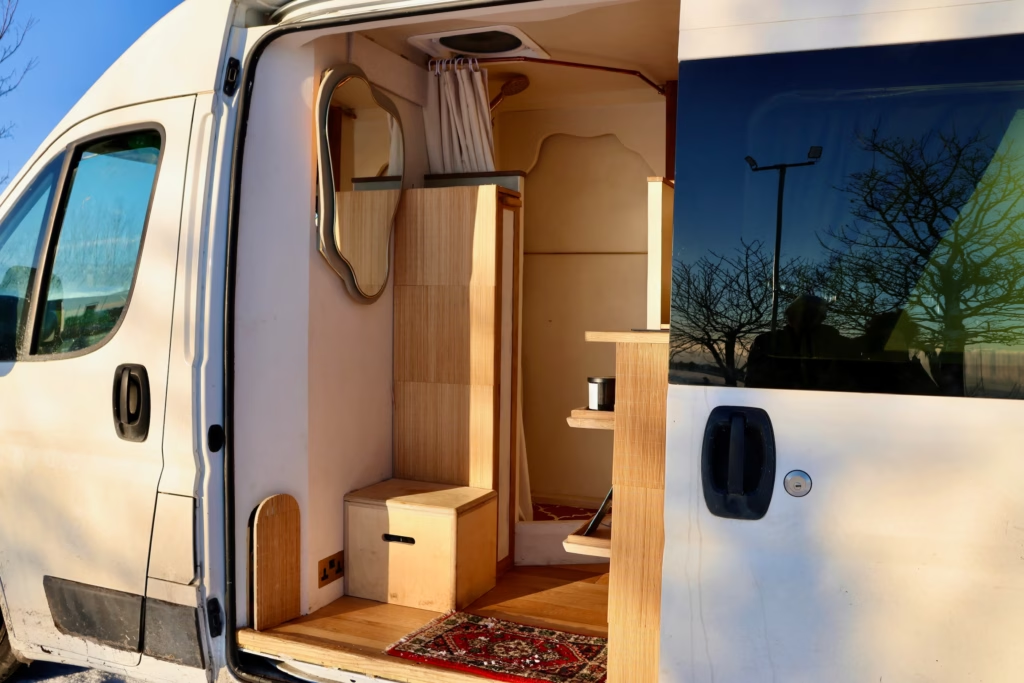
The Big Question: Do You Actually Need a Shower?
Before we discuss shower types, let’s address this honestly. The shower debate dominates van conversion forums, and it really shouldn’t.
When You DO Need a Shower
Full-time van living – If it’s your only home, you need proper washing facilities.
Extended off-grid trips – Planning weeks away from civilisation? A shower makes sense.
Remote locations – Regular trips to places with zero facilities nearby.
Medical reasons – Some health conditions require daily showering.
Large dogs – Need to wash muddy pets regularly.
When You Probably DON’T Need a Shower
Weekend camping – You can manage 2-3 days with wet wipes and face washing.
Holiday use – Most campsites have excellent facilities.
Summer only camping – Outdoor washing is easier in warm weather.
Space-conscious builds – Every inch counts in small vans.
Budget builds – Showers are expensive when done correctly.
The Reality Most People Won’t Tell You
We’ve spoken to hundreds of van owners. Here’s what they actually do:
- 80% use campsite showers when available
- 60% regret building elaborate shower systems
- 40% removed their showers after a year and reclaimed the space
- 90% rarely use showers in winter (it’s too cold/condensation nightmare)
That wet room you’re dreaming about? You’ll probably use it 10-15 times a year. Is it worth the space, cost, and hassle? Maybe not. Let’s look at all the options anyway because some of you genuinely need one.
Portable Shower Options: The Practical Route
Starting with the simplest solutions. These work surprisingly well for most people.
1. Pressure Sprayer Shower (£15-40)
What it is: Garden sprayer-style container with a shower head attached.
Pros:
- Cheap as chips
- Takes up minimal space
- Easy to use
- Can heat water separately
- No installation needed
- Take it outside (no van condensation)
Cons:
- Manual pumping gets tiring
- Limited water capacity (5-10 litres)
- Pressure drops as you use it
- Looks basic (if you care)
- Awkward to refill
Our experience: We used one of these for six months. Honestly, it works. Heat water in a kettle, pour it in, pump it up, and shower outside. It takes 5 minutes. It costs £20. Job done.
Best for: Weekend campers, summer use, budget builds, trying before committing to built-in.
Top picks:
- Basic garden sprayer (£15) – Does the job
- Dedicated camping shower (£25-40) – Better spray pattern and foot pump
2. Solar Shower Bag (£10-30)
What it is: A black bag that heats water in the sun. When you hang it up, gravity feeds water through the shower head.
Pros:
- Ultra-cheap
- Zero energy required
- Lightweight and packable
- Free hot water from the sun
- Perfect for summer
Cons:
- British weather = unreliable heating
- Takes 2-4 hours to warm up
- Pathetic water pressure
- Looks like you’re showering from a bin bag (because you are)
- Useless in winter
Our experience: Great in theory. In British reality, you’re waiting four hours for lukewarm water. Works brilliantly in the proper summer. Disappointing the rest of the year.
Best for: Summer festivals, Mediterranean trips, ultra-lightweight setups, emergency backup.
Reality check: It only works well from June to August in the UK. If you camp year-round, budget for a proper solution.
3. Rechargeable Camping Shower (£30-80)
What it is: A USB-rechargeable pump that sits in a water container. Creates shower-like pressure.
Pros:
- Decent water pressure
- Rechargeable (no pumping)
- Use any container for water
- Compact storage
- Take it anywhere
- Can heat water separately
Cons:
- Battery life (15-30 mins typically)
- Remember to charge it
- Not as powerful as mains pressure
- Dangling cables are annoying. Annoying. Annoying. annoyingThe pump can be noisy
Our experience: This is our current go-to for quick outdoor showers. Chuck the pump in a bucket of warm water, hang the shower head, and you’re set. The battery lasts long enough. It’s way better than manual pumping.
Best for regular campers, year-round use, outdoor showering, and space-conscious vans.
Top picks:
- Basic model (£30-40) – Adequate for most
- Premium with battery indicator (£60-80) – Worth it for peace of mind
4. 12v Electric Shower Pump (£40-100)
What it is: Connects to your van’s 12V system—proper pressure like a house shower.
Pros:
- Excellent pressure
- No batteries to charge
- Works whenever you need it
- Can integrate with water tanks
- Feels like a real shower
Cons:
- Drains the leisure battery (3-5A)
- Needs proper installation
- More expensive
- Takes up more space
- Wiring required
Our experience: If you’re committed to having a shower system, this is the way to go. Proper pressure makes a huge difference, but check that your electrical setup can handle it.
Best for built-in systems, frequent use, and those who value comfort over simplicity.
Installation note: This is entering “proper electrical work” territory. Get it done right or pay someone who knows what they’re doing.
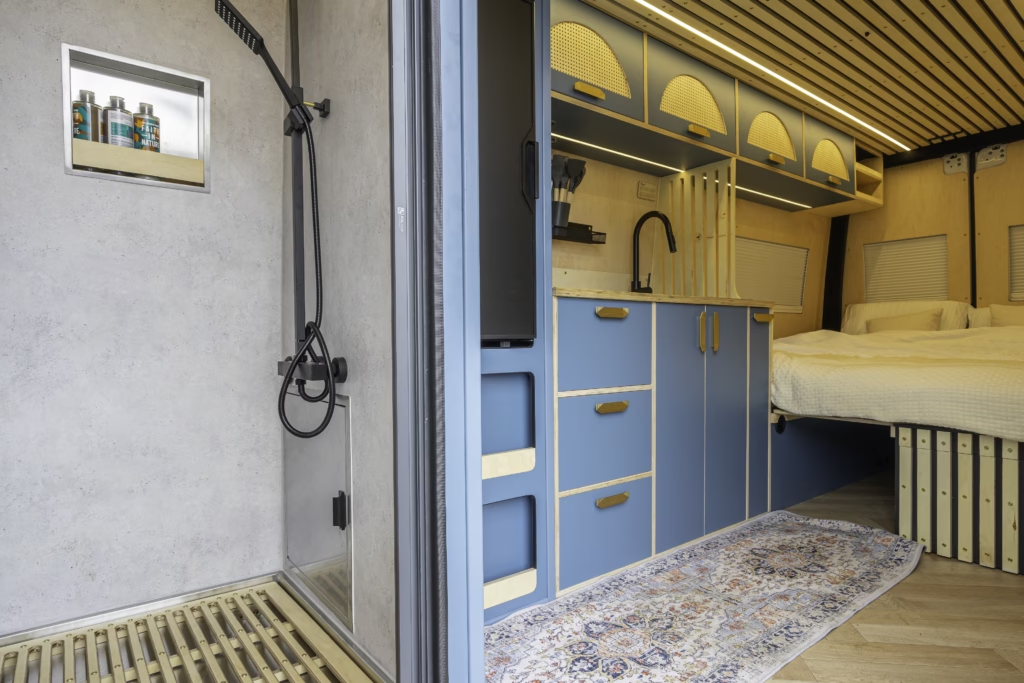
Built-In Wet Room Systems: The Full Installation
Right, now we’re talking serious space and money. But also serious comfort.
Full Wet Room (The Luxury Option)
What it is: Dedicated shower room with waterproof walls, a drain, and a proper shower setup.
Space needed: Minimum 0.8m × 0.8m floor space, 2m height. That’s a LOT in a van.
Components required:
- Waterproof panels or marine ply with fibreglass
- Shower tray with drain
- Water heater (diesel, gas, or electric)
- 12v pump system
- Grey water tank (30L minimum)
- Adequate ventilation fan
- Fresh water supply (50L+ recommended)
Costs:
- DIY basic setup: £400-800
- DIY premium setup: £1,000-1,500
- Professional installation: £2,000-4,000+
Pros:
- Proper shower experience
- Can shower in any weather
- Privacy
- Resale value (maybe)
- Impresses people on Instagram
Cons:
- Massive space sacrifice
- Heavy (water + tanks + fixtures)
- Condensation nightmare
- Expensive to do properly
- Maintenance headache
- Grey water disposal issues
- Rarely gets used in winter (too cold)
Reality check: You’re losing 1.5-2 square metres of usable space. In a van, that’s huge. Instead, it could be storage, seating, or kitchen space.
Toilet/Shower Combo (The Compromise)
What it is: A Shower that also houses your toilet. Everything gets wet when you shower.
Space needed: 0.7m × 0.7m minimum (toilet cubicle size)
Pros:
- Uses existing toilet space
- Dual-purpose area
- Slightly smaller footprint
- Cheaper than a separate wet room
- Common in motorhomes
Cons:
- Everything in there gets soaked
- Toilet paper storage is tricky
- Feels cramped
- Need to dry the toilet seat before using
- Not great for longer showers
- Condensation still awful
Our experience: This is the compromise most people make. It works, but it’s not luxurious. You’re essentially showering in a phone box that also contains a toilet—functional but not fun.
Best for: Small vans where space is critical, those needing indoor facilities, and full-timers on a budget.
Shower Curtain Setup (The Minimalist Approach)
What it is: A Curtain that creates a shower area. Water drains through the floor or into the tray.
Space needed: Whatever you allocate (usually the back of the van)
Pros:
- Minimal permanent space loss
- Cheapest built-in option
- Flexible – use space for other things when not showering
- Easy to retrofit
Cons:
- Water goes everywhere without proper drainage
- Mould on the curtain
- Still need water heating and tanks
- Condensation all over the van
- Feels makeshift (because it is)
Reality check: This rarely works well in the long term. Water escapes, things get damp, and mould develops. If you’re going to build in, do it properly or don’t bother.
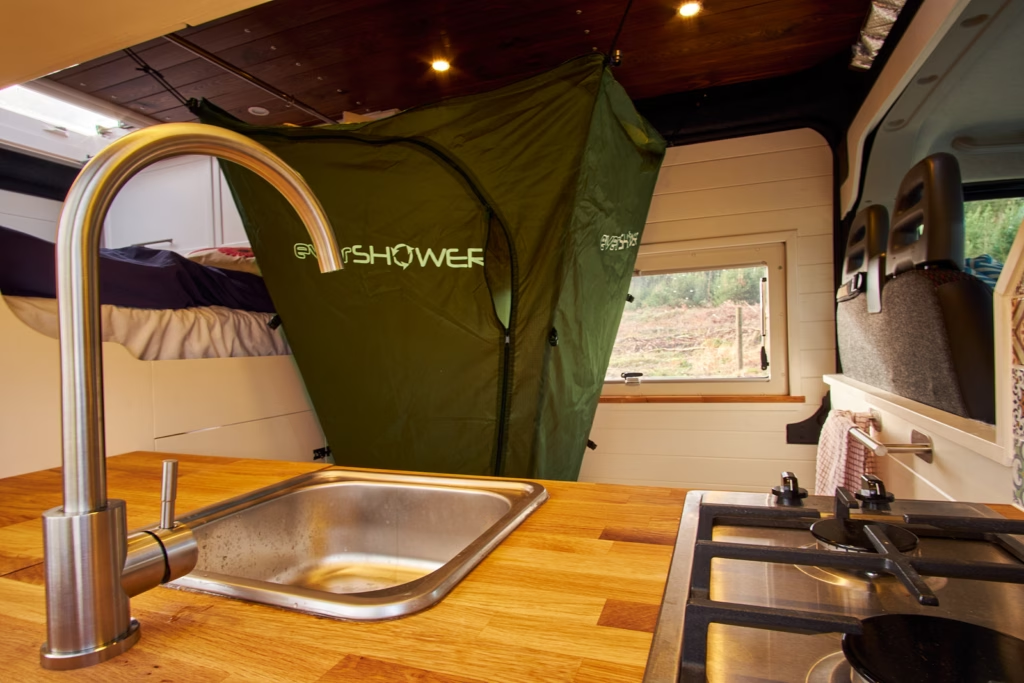
Outdoor Shower Solutions: The Underrated Option
Seriously underrated. Outdoor showers avoid all the condensation problems and save van space.
Rear-Mounted External Shower
What it is: A shower head and tap mounted outside your van, usually on the back doors or side panel.
Components needed:
- External tap fitting (£20-50)
- Shower head on hose (£15-30)
- Connection to the freshwater tank
- Pump system (if not gravity-fed)
Total cost: £50-150 installed
Pros:
- Zero internal space used
- No condensation in the van
- Rinse muddy boots/dogs/bikes
- Cheap to install
- Actually gets used regularly
- Fresh air is nicer anyway
Cons:
- Weather dependent (sort of)
- Privacy concerns
- Cold in winter
- Need warm weather or a brave personality
- Not everyone’s comfortable with it
Our verdict: This is brilliant. We use our external shower constantly—rinsing beach sand, washing muddy boots, and quick rinses after surf sessions. It is way more useful than we expected.
Privacy solution: A large beach towel wrapped around you or a portable pop-up shower tent (£30-60).
Portable Shower Tent (£30-80)
What it is: Pop-up privacy tent. Use with any shower system.
Pros:
- Privacy anywhere
- Blocks wind
- Keeps you warmer
- Doubles as a changing room
- Relatively compact when packed
- Takes 2 mins to set up
Cons:
- Another thing to store
- Wet tent to pack away
- Takes up space outside the van
- Can blow over in the wind
- Still cold in winter
Reality check: If you’re serious about outdoor showering, get one. Makes the whole experience much less stressful.
Water Heating Options: The Critical Component
Cold showers are character-building. But most people prefer warm water.
1. Kettle Heating (Free/£0)
Heat water in a kettle, mix with cold water, and you’re done. It’s cheap, simple, and effective.
Time: 5-10 mins Pros: Uses existing equipment Cons: Tedious, limited volume
2. Propex/Webasto Diesel Heater with Hot Water (£300-800)
Some diesel heaters heat water as well as air. Brilliant if you’re installing heating anyway.
Time: 15-20 mins for hot water. Pros: Heats van AND water, efficient, reliablee Cons: Expensive, professional installation recommended
3. Gas Water Heater (£150-400)
Instant or tank-style gas heaters. Common in motorhomes.
Time: Instant or 10-15 mins (tank style) Pros: Good flow, reliable, familiar technology Cons: Gas safety checks required, ventilation critical, adds weight
4. Electric Water Heater (£80-200)
Only works on a hookup or with an inverter and a big battery bank.
Time: 20-40 mins typically Pros: Safe, familiar, good temperature control Cons: Only works on hookup, slow heating, power-hungry
5. Portable Propane Heater (£40-100)
An external heater that you connect to a water container.
Time: 10-15 mins Pros: Portable, works anywhere, decent output Cons: Another thing to store, propane canister needed, outdoor use only
Our setup: We heat water in kettles for short showers, and use our diesel heater’s hot water circuit for longer showers. Having both options covers all situations.
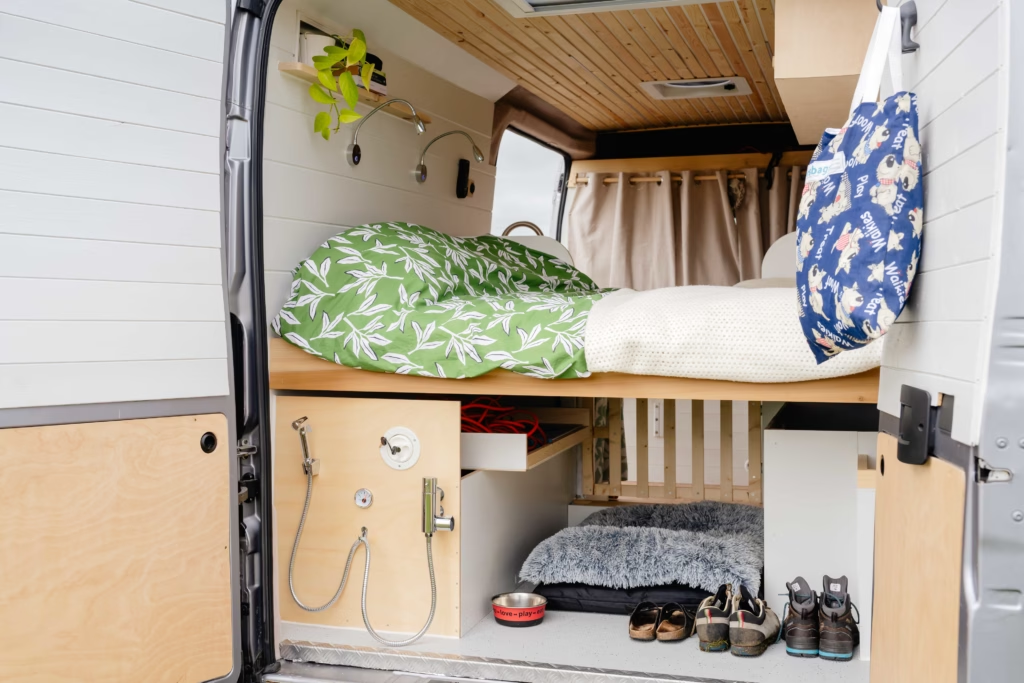
Space vs Comfort Trade-Offs: The Real Decision
Every shower system costs space. Here’s what you’re actually sacrificing.
Full Wet Room Space Cost
What you lose:
- 1.5-2m² floor space
- Overhead storage above
- Wardrobe or kitchen extension space
- Storage for 3-4 large boxes
- Potential seating area
What you gain:
- Privacy and comfort
- Any-weather showering
- Increased van value (debatable)
- Bragging rights
Worth it? Only if you’re full-timing or spending weeks off-grid.
External Shower Space Cost
What you lose:
- 10cm × 10cm exterior panel space
- Connection to the water system
What you gain:
- Outdoor rinsing facility
- Emergency shower option
- Dog/bike washing station
- Virtually zero internal space cost
Worth it? Almost always yes. So cheap and helpful.
Portable Shower Space Cost
What you lose:
- Storage space for shower bag/pump (size of a water bottle)
- Maybe a bucket
What you gain:
- Shower capability when needed
- Flexibility
- Ability to test before committing
Worth it? Absolutely. Start here before building anything permanent.
Campsite Shower Reality: Are They That Bad?
Everyone says “campsite showers are gross” before they’ve used many. The reality is different.
Modern Campsite Facilities (Most Places)
What you actually get:
- Clean, heated shower blocks
- Hot water (usually unlimited)
- Proper pressure
- Hooks for clothes and toiletries
- Proper drainage
- Regular cleaning
Cost: Usually included, sometimes 20p-£1 per shower
Reality: Most UK campsites have decent facilities. Places we’ve stayed with excellent showers include the Lake District, the Peak District, and Scotland.
The Actual Downsides
Busy times: Queues at 8 am when everyone wants to shower. Temperature: Sometimes inconsistent. Distance: Walking 100m in cold weather.r Cleanliness: Varies by site (check reviews). Privacy: Shared facilities
Tips for a Better Campsite Shower Experience
- Shower at off-peak times (afternoon or late evening)
- Flip-flops always (seriously, always)
- Quick-dry towel and bag for wet items
- Toiletry bag you can hang – hands-free is better
- Check reviews – avoid sites with consistently inadequate facilities
- Choose sites with updated facilities – makes a huge difference
Our honest take: We use campsite showers 90% of the time. They’re fine. Better than satisfactory – they’re warm, spacious, and someone else cleans them. The walk in the cold is mildly annoying but not worth sacrificing van space over.
The Gym Membership Hack
This is genius, and more people should know about it.
How It Works
Get a national gym membership: PureGym, TheGym, Anytime Fitness, etc. Cost: £15-25/month Access: Showers at hundreds of UK locations
What you get:
- Clean, hot showers
- Lockers for belongings
- Workout space (bonus!)
- Reliable facilities nationwide
- No campsite fees
Best for:
- Full-time van lifers
- Those with regular routes
- People who want gym access anyway
- Urban camping/parking
Reality check: If you’re full-timing, £20/month for unlimited showers anywhere in the UK is brilliant value. Plus, you can actually exercise. We know several vanlifers who swear by this approach.
The Van Life Gym Strategy
Morning routine:
- Wake upthee van
- Drive to the nearest gym (find on app)
- Workout or just shower
- Use facilities
- Start your day clean and refreshed
Locations: Most cities have multiple options. You’re rarely more than 20 minutes from a gym.
Limitations: Doesn’t help in remote areas. But for touring or urban camping, it’s perfect.
Hygiene Without a Shower: It’s Easier Than You Think
You don’t need a shower every day. Controversial opinion, but true.
The Practical Alternative Routine
Daily basics:
- Face wash with a flannel
- Deodorant
- Teeth brushing
- Hand washing
- Wet wipes for key areas
Every 2-3 days:
- Proper hair wash (in sink or bucket)
- Whole body wash with a flannel
- Fresh clothes
As needed:
- Campsite shower
- Wild swimming (free shower!)
- Beach rinse
- Friend’s house
- Gym visit
Products That Actually Help
1. No-rinse body wash (£8-12): Wipe on, wipe off, done. This is brilliant for winter when you can’t face cold outdoor showers.
2. Dry shampoo (£4-8) – Extends time between hair washes. Game-changer.
3. Biodegradable wet wipes (£3-6) are the grown-up version of baby wipes and are for quick freshening up.
4. Microfibre towels (£8-15)—They dry quickly, pack small, and are multi-purpose. More in our clothing guide.
5. Collapsible bowl (£8-12): This versatile bowl can be used to wash Hair, face, and feet.
6. Hand sanitiser (£2-5)—This is not just for hands; it also quickly cleans surfaces.
Wild Swimming: Nature’s Shower
Rivers, lakes, and seas are free, refreshing, and surprisingly effective. Bring biodegradable soap to wash correctly.
Where: Most of Scotland’s wild spots, Lake District tarns, and countless rivers.
When: Summer only unless you’re brave. Or Scottish.
Safety: Check current, depth, and access. Never swim alone, and don’t dive into unknown water.
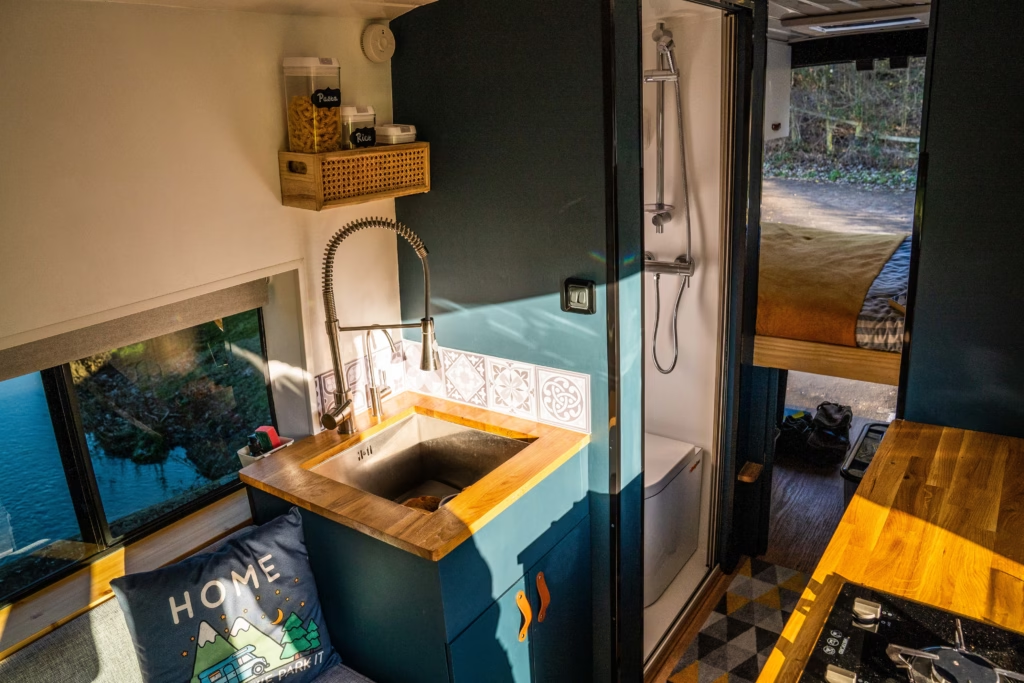
Our Actual Shower Setup After 5 Years
You want to know what we actually use after testing everything? Here it is.
Primary: Campsite showers (60% of the time) Secondary: External shower point with USB pump (30%) Emergency: Wet wipes and flannel washing (10%) Water heating: Kettle + diesel heater circuit
Why this works:
- Cost us £80 total (external shower + USB pump)
- Takes up virtually zero van space
- Covers all situations
- No condensation problems
- Actually gets used
- Simple to maintain
What we DON’T have:
- Internal wet room
- Complicated plumbing
- Large grey water tank
- Space sacrifice
Would we change anything? No. We considered building a wet room in our first VA, but we’re so glad we didn’t. The space is worth more than the occasional inconvenience of using facilities.
Decision Framework: What Shower Solution Is Right for You?
Work through these questions:
Question 1: How often will you actually use your van?
Weekends only → Portable shower or campsite facilities Regular week-long trips → External shower + campsite facilities Full-time living → Consider built-in (but try alternatives first)
Question 2: Where do you camp?
Campsites with facilities → Don’t build an internal shower. Mix of sites and wild → External shower + portable backup Primarily off-grid → Built-in might be worth it
Question 3: What’s your space situation?
Small van (SWB or car) → Portable only Medium van (MWB) → External or compact combo Large van (LWB or bigger) → Any option works
Question 4: What’s your budget?
Under £100 → Portable pressure sprayer or USB pump £100-500 → External shower + quality portable £500-2,000 → Wet room/combo (DIY) £2,000+ → Professional wet room
Question 5: How bothered are you by the weather?
Not bothered → External shower is fine. Prefer comfort → Look at the cquality of the ampsite facilities Need indoor always → Built-in might be justified
Question 6: Can you commit to maintenance?
Minimal effort only → Portable solutions Some effort okay → External shower Don’t mind work → Built-in systems (they need maintaining)
Common Shower Mistakes to Avoid
We’ve seen (and made) them all.
1. Building before testing – Try portable solutions for 6 months first. You’ll learn what you actually need.
2. Copying Instagram vans—Those gorgeous wet rooms look amazing, but they often don’t get used. Build for your reality, not someone else’s photos.
3. Undersizing grey water tank—If you build a shower, your grey tank needs to be at least double the size of the fresh tank. Water volume is shocking.
4. Poor ventilation—If ventilation isn’t excellent, Condensation from indoor showers will destroy your van. We mean multiple fans, not one tiny vent.
5. Cheap waterproofing—If you’re doing it, do it right. One leak ruins everything. Use proper marine-grade waterproofing, or don’t bother.
6. Forgetting heating costs – Hot water requires energy—factor in the electrical demands before committing.
7. No backup plan – Even with built-in showers, have a portable backup. Systems fail at the worst times.
The Shower Advice Nobody Else Gives You
After speaking to hundreds of van owners, here’s the advice that actually matters:
Most people overestimate how much they’ll shower in their van. The reality of heating water, managing grey water, and dealing with condensation means you’ll use facilities more than you think.
The Instagram van life isn’t real life. Those outdoor showers with mountain views? They take 30 minutes to set up, the water’s cold, and it happens multiple times a summer.
Start simple, upgrade if needed. It’s easy to add a shower system later. It’s expensive and heartbreaking to remove one you spent £2,000 building.
The best shower solution is the one you’ll actually use. A £30 pump you use weekly beats a £3,000 wet room you avoid because it’s a hassle.
Space is more valuable than convenience. In a van, every cubic metre counts. That wet room you’re planning? It could be storage, seating, workspace, or a bigger kitchen.
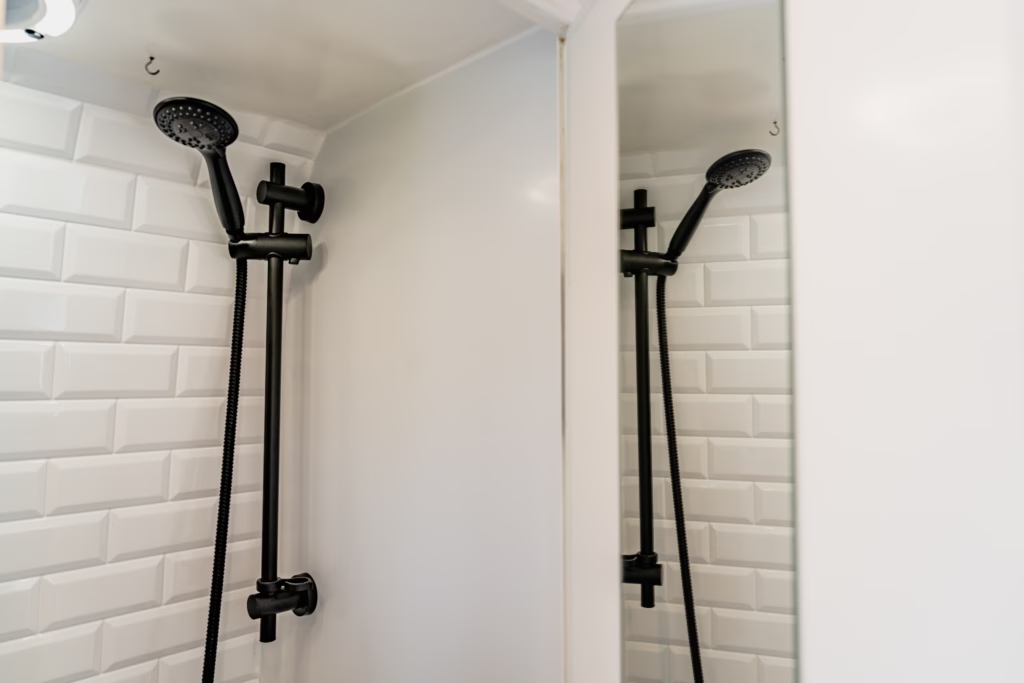
Final Verdict on Campervan Showers
Here’s our honest recommendation after five years living this:
For 80% of people: External shower point + quality portable shower + campsite facilities = perfect solution. Costs under £150, uses minimal space, and covers all situations.
For full-timers: Try the above for six months. If you’re still desperate for an internal shower, then build one. But try the alternatives first.
For occasional campers: Don’t even think about built-in—waste of space and money.
For those converting vans: Leave shower decisions until last. Build everything else, use the van for a while, then decide if you need one.
The freedom of campervan life isn’t about having all the home comforts. It’s about simplifying. And honestly? Not having a shower to maintain is liberating.
Focus your energy on reasonable storage solutions, reliable electrics, and a comfortable sleeping setup. Those matter way more than having a shower.
Still want to explore your options? Check out our guide on van conversions or browse campervans with facilities to try before you buy.
Related posts
If you’re renting out your campervan and not accepting dogs, you’re potentially leaving significant money on the table. Data from Quirky Campers shows that …
Where you base your campervan matters a lot. Location affects everything from booking frequency to the rates you can charge and the length of …
If you own a campervan that spends more time on the driveway than on the road, you might be sitting on a genuine income …