


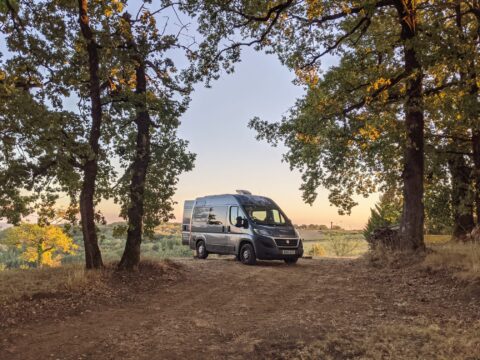
Spend any time looking at larger campervans and you will see the Fiat Ducato everywhere, sometimes without even realising it. It is one of the most popular base vehicles for professional conversions, and because the same van is also sold as the Peugeot Boxer and the Citroen Relay, plenty of the ones you spot are wearing a different badge.
But “Fiat Ducato” covers nearly two decades of changes, two different engine families and a gearbox that went from frankly mediocre to genuinely good. Knowing which version you are looking at is the difference between a smart buy and an expensive lesson.
The van professional converters actually choose
The Ducato is built through a long-running joint venture between Fiat and the old PSA group, now all part of Stellantis. That matters because the same van is sold as the Peugeot Boxer and the Citroen Relay. Mechanically they are the same vehicle with different badges and dealer networks. If you have been looking at a Boxer or a Relay and wondering whether they are a poor relation to the Ducato, they are not. They are the same van.
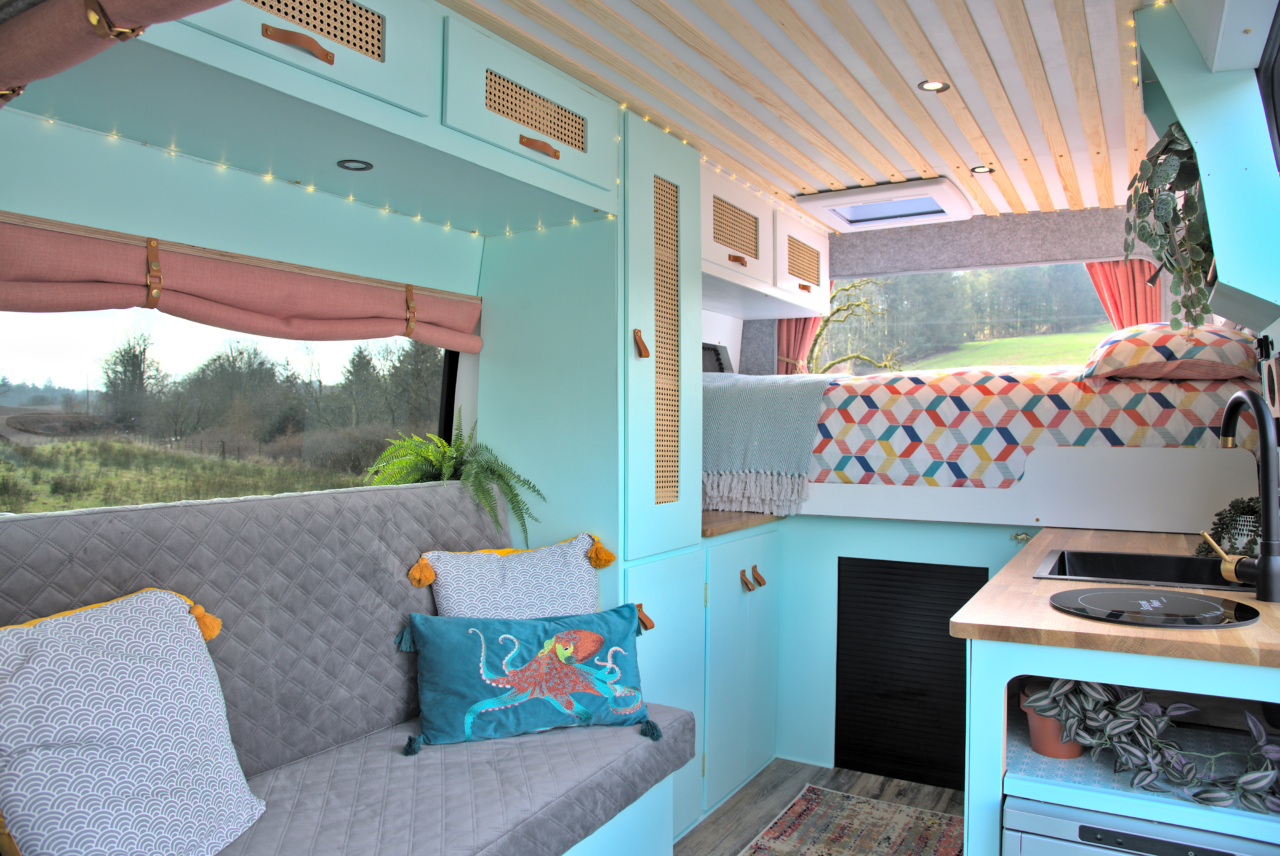
What makes it the converter’s default is the body. It is front-wheel drive, so the floor is flat and low with no propshaft running down the middle. The sides are tall and close to vertical, the load area is wide, and a fixed bed drops neatly across the back of the longer versions. For coachbuilt motorhomes there is also a low-frame AL-KO chassis option that drops the floor further still. More usable living space per pound than almost anything else on the market. That is the whole pitch.
The X250: 2006 to 2014
The current Ducato lineage starts with the X250 in 2006, a complete redesign of the old van. Engines were a range of MultiJet common-rail diesels, with the 2.3 litre four-cylinder doing most of the heavy lifting and a 3.0 litre offered for the heaviest builds. Most came with a five or six-speed manual, and there was an automated manual option called Comfort-Matic.
This generation has a few well-known quirks worth checking. The most talked about is a juddering shudder when reversing, especially up an incline. Fiat described it as a characteristic rather than a fault, and it is noticeably worse on six-speed vans than five-speed ones. Raising the revs slightly as you bite helps. Beyond that, look for worn fifth and sixth gear bearings, corrosion in the gear linkage on top of the box that makes reverse hard to select, and clutch and dual-mass flywheel wear. There is also a known water ingress issue where a blocked drain in the scuttle lets water back up into the engine bay. None of these are dealbreakers on a tidy, well-maintained example, but they are exactly the things to test on a viewing.

The X290: 2014 onwards
In 2014 the Ducato had a substantial facelift, becoming the X290. The cabin improved, the 2.3 MultiJet got more efficient, and the van worked its way through Euro 5 and then Euro 6 emissions standards. From 2019 the Euro 6d engines added AdBlue. If you want a van that will sail through clean air zones without a daily charge, an X290 from 2016 onwards with a Euro 6 diesel engine is the one to look for. Diesels registered from September 2015 are generally compliant with London’s ULEZ and most other UK clean air zones, so they avoid the daily charge that catches out older engines.
The 2021 update: new engine, proper automatic
This is the change most buyers do not know about, and it is the single most useful thing in this guide. At the end of 2021 the Ducato dropped the old 2.3 engine and switched to a new 2.2 litre MultiJet 3, part of the Stellantis engine family shared with Peugeot and Citroen’s latest diesels. It is lighter, cleaner and a touch more economical.
More importantly, the clunky old Comfort-Matic automated manual was replaced by a ZF nine-speed torque-converter automatic. This is a completely different gearbox in feel. Smooth, quiet, and genuinely good to drive. If automatic matters to you, the post-2021 nine-speed Ducato is the one to want, and it is worth paying more for. The same update brought adaptive cruise control, autonomous emergency braking and lane-keep assist, so a post-2021 base vehicle also feels far more modern on a long motorway haul.
What to check before you buy a Ducato
Service history first. A Ducato that has had its oil and cambelt done on time will run to 250,000 miles without drama. One with a patchy history is a gamble, because the bills when something lets go are not small. Ask to see the cambelt receipt; if there is no record, budget to do it straight away.
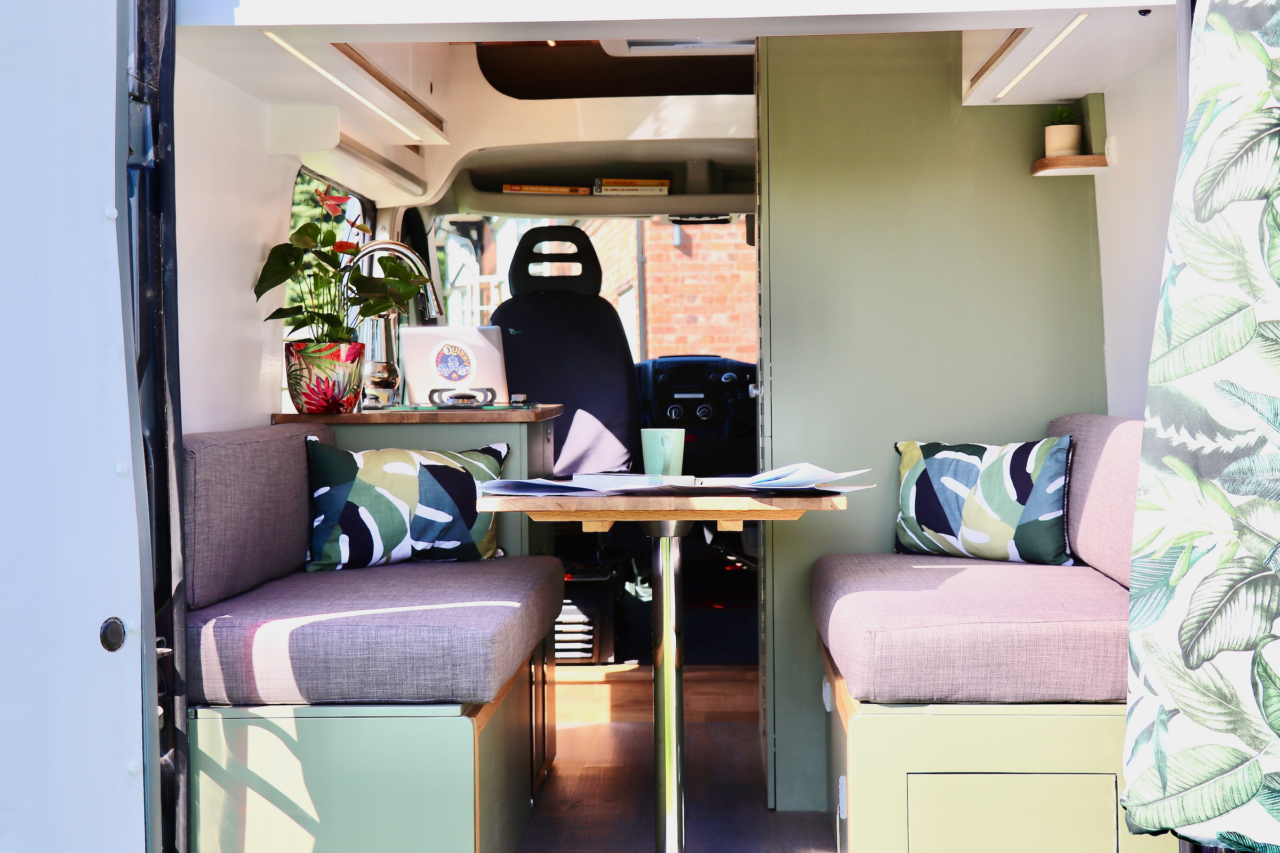
On the test drive, reverse up a slope and feel for that judder, work through every gear including reverse a couple of times, and listen for a rattle at idle that points to a tired flywheel or clutch. Check the scuttle drains are clear and look for damp in the footwells. Then turn to the conversion itself. Our campervan electrics guide explains what a safe install looks like, and the complete pre-purchase checklist walks you through damp, gas certification and build quality. On a van costing tens of thousands, skipping those checks is false economy.
Finally, check the V5C. If the van has been converted and registered as a motor caravan, the body type field should say so. The DVLA reclassification rules explain why it matters: it affects insurance quotes, some speed limits and resale value.
What drives the value of a used Ducato
Rather than chase a price tag that dates the moment it is written, focus on what actually moves a Ducato’s value. Conversion quality is the biggest factor by a distance: a professional fit-out with certified gas, a proper electrical system and a quality heater sits well above a rough self-build, even on an older base vehicle. After that it is the familiar mix of mileage, service history, generation and gearbox. Post-2021 vans with the new engine and the nine-speed automatic sit at the top of the range, while tidy older X250 self-builds are where the value-hunters look.
Long wheelbase versions tend to be worth more because they take a full fixed bed with a storage garage underneath, which is the layout most buyers want. Shorter Ducatos are rarer as campervans and can be quietly good value if the layout suits you. Whatever your budget, compare like for like on conversion quality rather than the headline figure alone, because two vans at the same money can be worlds apart underneath.
Ducato, Transit or Crafter?
If you are weighing the Ducato against the obvious rivals, the short version is this. A Ford Transit is nicer to drive and has parts that are easy to find, but gives you a little less interior space. A VW Crafter is more refined and holds its value well, but you pay for the privilege. The Ducato sits in the middle as the space-and-value choice, which is exactly why so many converters build on it.
If maximum living space for your money is the priority, the Ducato is very hard to beat. If you want to feel what one is like to live with before you commit, you can hire a campervan for a trip first, since trying before buying is the surest way to avoid an expensive mistake. When you are ready to buy, have a look through the Fiat Ducato campervans for sale on the Quirky marketplace and you will quickly see why it is the one professional builders keep coming back to.