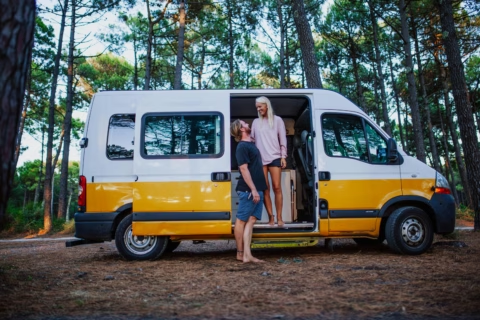



Fourteen days. Four countries. One very cosy home on wheels.
Two weeks in Europe by campervan gives you enough time to explore cobbled cities, vineyard-covered valleys, peaceful forests and tiny French villages, without spending the entire holiday chasing your sat nav across the continent.
The secret is keeping the route compact.
Rather than attempting to collect countries like fridge magnets, this relaxed European campervan itinerary loops through Belgium, Luxembourg, Germany and France. You’ll enjoy a proper change of scenery at every stop, while keeping most driving days manageable.
Expect medieval streets, riverside pitches, forest walks, local markets and several opportunities to justify eating cake before lunch.
Your two-week Europe campervan route at a glance
Route: UK → Calais → Bruges → Luxembourg → Moselle Valley → Black Forest → Alsace → Champagne → Côte d’Opale → UK
Trip length: 14 days
Countries visited: Belgium, Luxembourg, Germany and France
Approximate distance in Europe: 1,100–1,300 miles
Best for: Couples, families, solo travellers and first-time European road trippers
Ideal pace: Two nights in most regions, with a few longer travel days in between
Still weighing up your options? Explore more of our favourite European road trips from the UK before choosing your final route.
Day 1: Cross the Channel and head to Bruges
Take the ferry from Dover or LeShuttle from Folkestone and cross into Calais.
From there, it’s roughly two hours to Bruges, depending on traffic and where you’re staying.
This first stretch is short enough to ease you into driving on the right without immediately launching into a motorway marathon. Arrive, find your campsite or motorhome stopover and celebrate with your first European supper.
Belgian chips are practically compulsory.
Suggested stay: Two nights near Bruges
Approximate drive: 75 miles from Calais
Days 2–3: Wander through Bruges and Ghent
Bruges is made for slow exploring.
Spend the morning wandering beside the canals, admiring the stepped-gable buildings and attempting to decide which chocolate shop deserves your attention first.
The answer may be several.
You can spend both days in Bruges or take a short trip to nearby Ghent, where medieval architecture meets a livelier, more lived-in atmosphere.
Leave the campervan parked if you can and explore by train, bike or on foot. European cities are often much more enjoyable when you aren’t trying to squeeze a campervan into a parking space designed for something the size of a shopping trolley.
Return to the van for a relaxed evening and begin settling into the rhythm of life on the road.
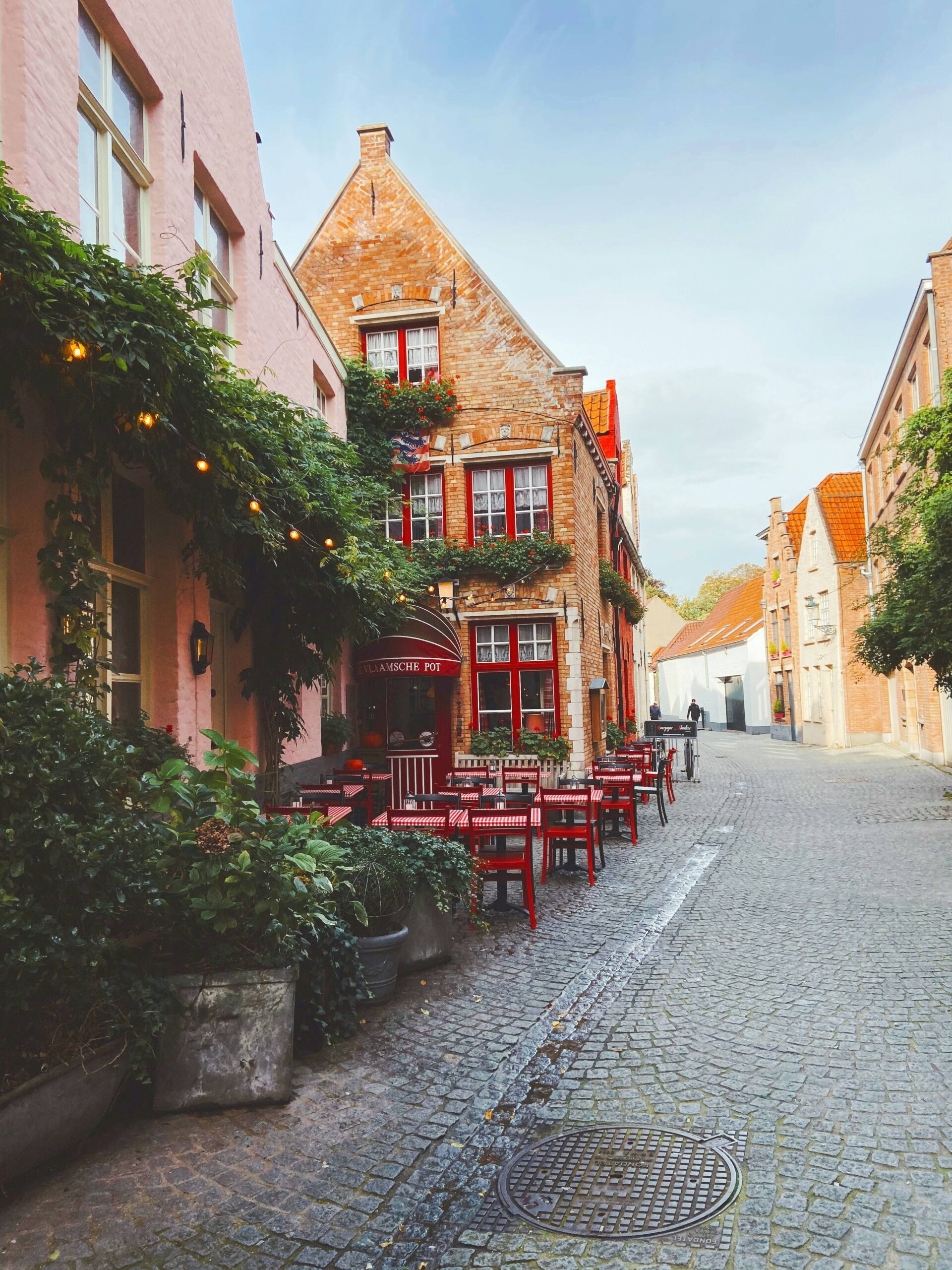
Day 4: Bruges to Luxembourg
Leave Belgium behind and head south-east towards Luxembourg.
This is one of the longer driving days, taking roughly three and a half to four hours before stops. Pack snacks, choose a good playlist and avoid planning too much for the evening.
You could stay close to Luxembourg City or choose a quieter countryside campsite nearby.
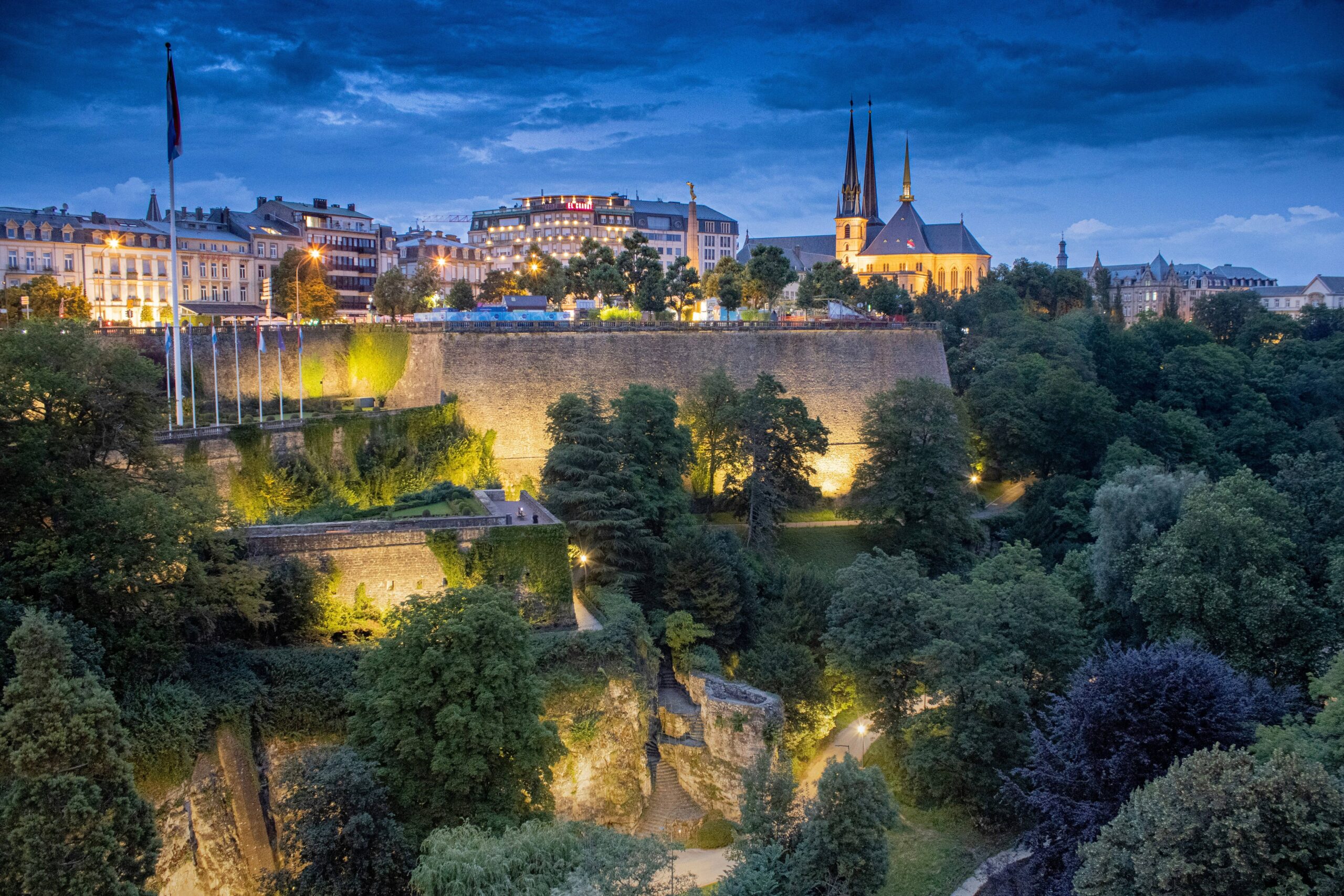
Luxembourg may be small, but it brings a completely different feel to the trip: wooded valleys, dramatic old fortifications and plenty of green space.
Suggested stay: Two nights
Approximate drive: 200 miles
Day 5: Explore Luxembourg
Use today to discover Luxembourg without moving the van too far.
Visit Luxembourg City for its old quarters, bridges and valley views, or head into the countryside for woodland walks and castle-dotted landscapes.
Families might enjoy a gentle outdoor day after the previous drive, while couples and solo travellers can settle into a café, wander the historic centre or follow one of the area’s walking routes.
One of the best things about a two-week European campervan holiday is the contrast. One day you’re eating waffles beside a Belgian canal; the next you’re looking down over a Luxembourg gorge.
No airport queue required.
Days 6–7: Follow the Moselle Valley into Germany
Drive towards Germany and make your way to the Moselle Valley.
Base yourself near Cochem, Trier or one of the smaller riverside towns. The journey from Luxembourg is relatively short, giving you plenty of time to stop, settle in and begin exploring.
The Moselle is classic campervan territory: winding roads, steep vineyards, hilltop castles and villages clustered beside the river.
Spend two nights here so you can enjoy the area without constantly packing up.
Walk or cycle alongside the water, visit a local town or simply sit outside the campervan and watch boats drift past. Sometimes the best itinerary is the one that involves very little itinerary at all.
Suggested stay: Two nights
Approximate drive: 60–100 miles, depending on your base
Days 8–9: Into the Black Forest
Continue south towards Germany’s Black Forest.
This is another longer driving day, so choose one area as your base rather than trying to see the whole region.
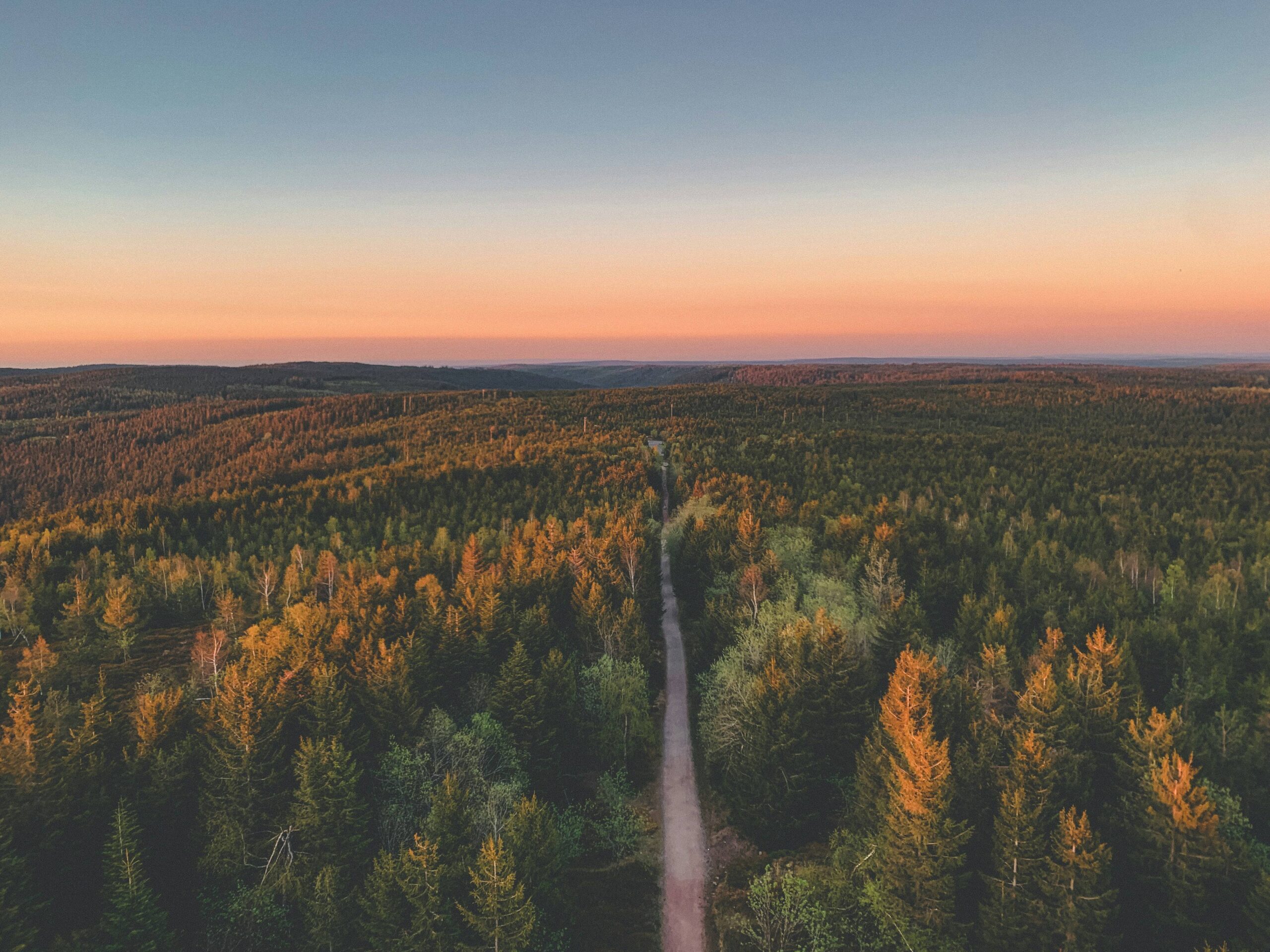
Freiburg is a useful gateway, while campsites around Titisee, Schluchsee or the surrounding countryside offer lakes, forest trails and plenty of fresh air.
Spend your full day walking, cycling or exploring one of the area’s traditional towns. The Black Forest is also an excellent place to embrace a slower pace.
You have been on the road for over a week. Nobody will judge you for spending an afternoon reading beside the van with a slice of cake nearby.
In fact, they may applaud.
Suggested stay: Two nights
Approximate drive: 180–220 miles from the Moselle Valley
Days 10–11: Cross into Alsace
From the Black Forest, cross the Rhine and return to France.
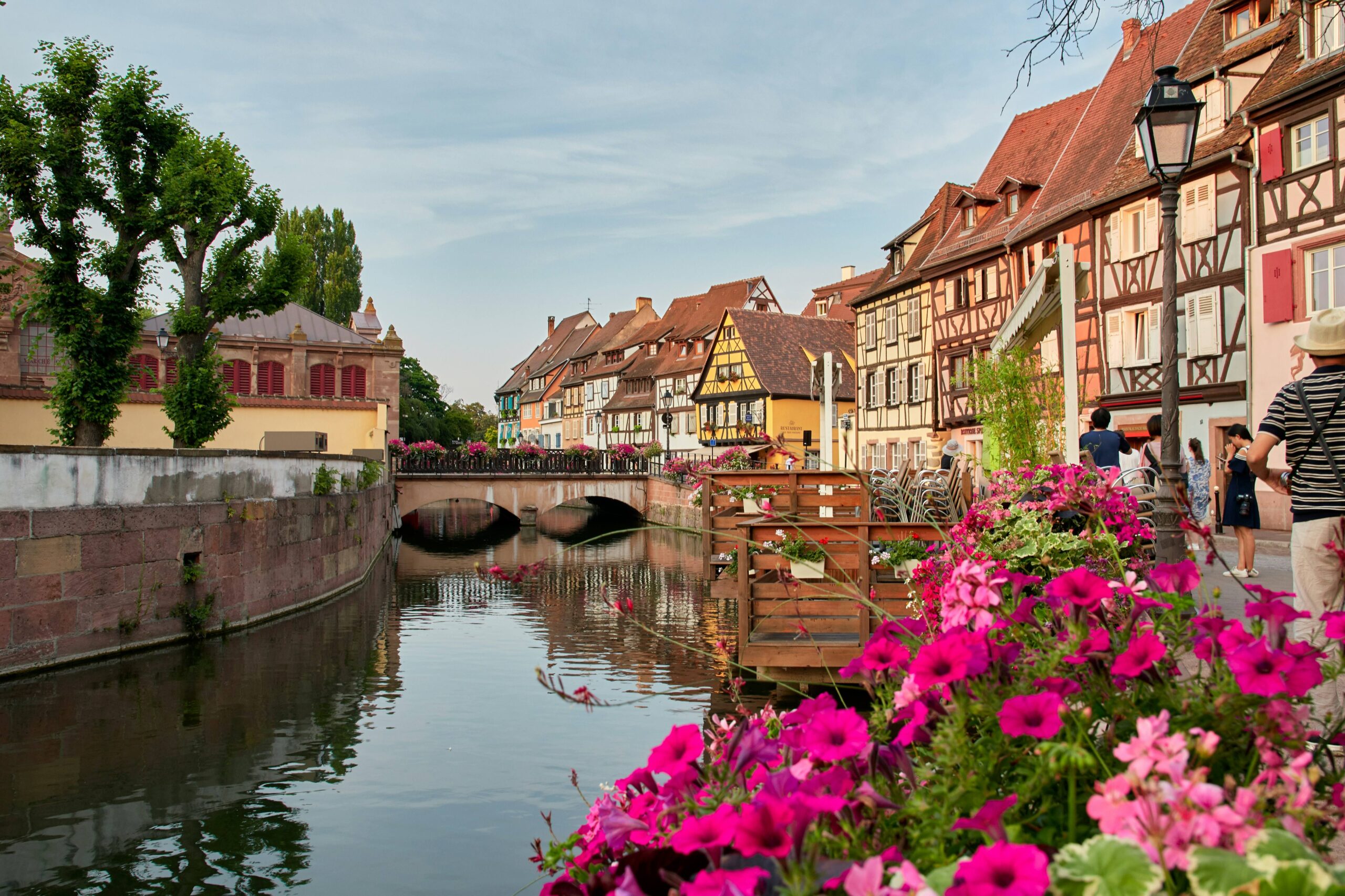
The Alsace region sits close to the German border and blends influences from both countries. Expect colourful timber-framed houses, vineyard-covered hills and villages that look as though somebody has been polishing them for a fairy tale.
Base yourself near Colmar, Eguisheim or another village along the Alsace Wine Route.
Spend a day exploring locally rather than trying to race through every beautiful place on the map. Colmar offers canals, markets and historic streets, while the surrounding villages are ideal for walking, cycling and long lunches.
Because the drive from the Black Forest can be short, this part of the trip gives you a welcome breather.
Suggested stay: Two nights
Approximate drive: 30–80 miles
Day 12: Alsace to Champagne
Turn west towards the Champagne region.
The journey to Reims or Épernay will take roughly four hours, so plan a relaxed start and stop for lunch along the way.
Once you arrive, check into your campsite or approved campervan stopover and enjoy a quiet evening.
Some farms and vineyards welcome campervans through organised stopover schemes, but always check the individual rules before arriving. Booking, membership or a purchase may be required.
Suggested stay: Two nights
Approximate drive: 220 miles
Day 13: Explore Champagne
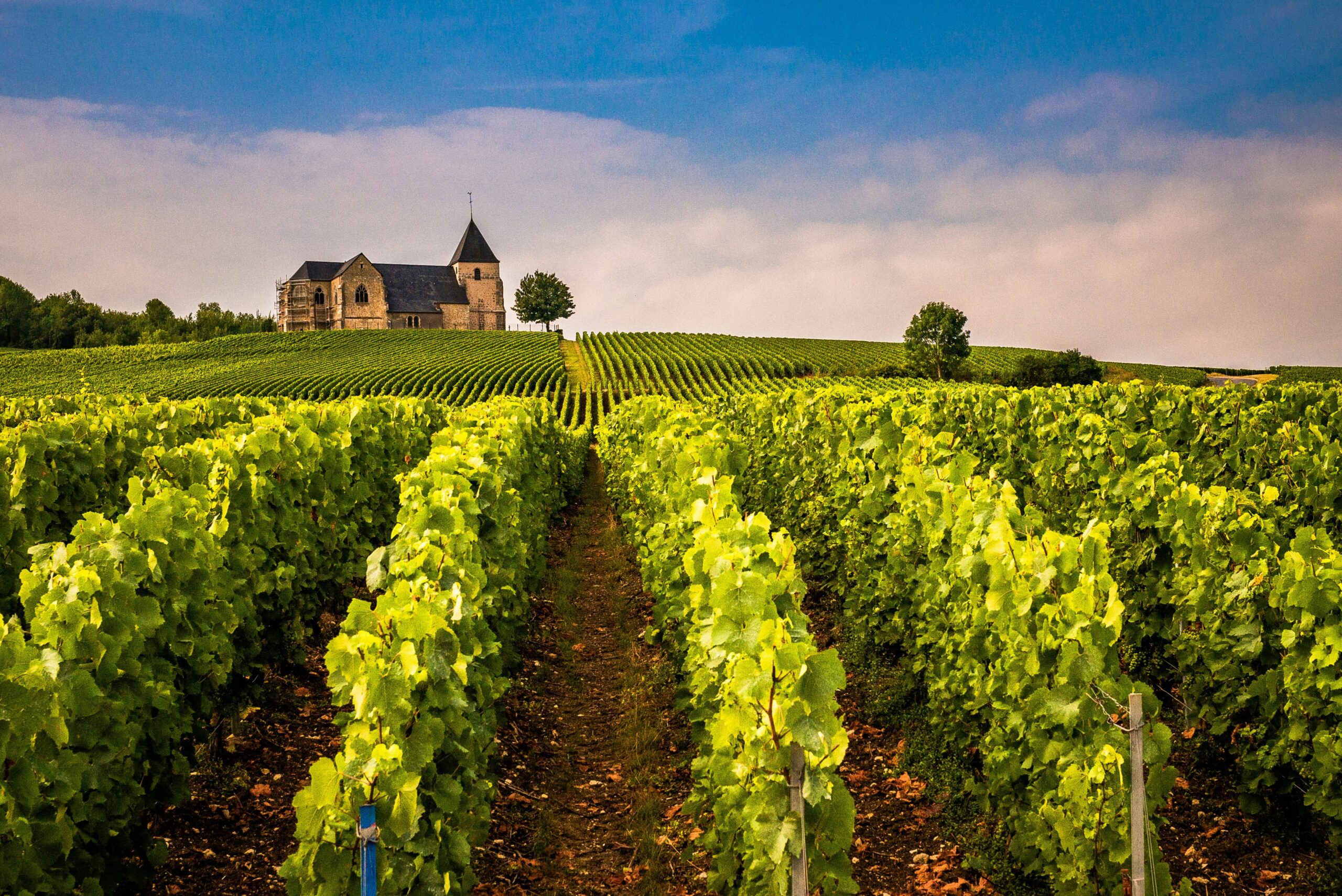
Spend your final full day visiting Épernay, Reims or one of the surrounding vineyard villages.
You could book a cellar tour, visit a local producer or simply enjoy the countryside from a peaceful pitch.
Leave the campervan parked if you’re planning a tasting. Explore on foot, by bike, through an organised tour or using local transport instead.
This is also the moment to check your route back towards Calais, confirm your crossing time and make sure the final day still feels comfortable.
Future you does not want a sunrise sprint to the terminal.
Day 14: Champagne to Calais and home
Leave Champagne and head towards Calais.
Depending on your overnight base, the drive should take around two and a half to three hours. Leave plenty of time for traffic, fuel stops, check-in and border procedures.
Before setting off, secure anything likely to become airborne, empty waste responsibly and search the cupboards for runaway mugs.
Then cross back into the UK with a camera full of photographs, a slightly chaotic snack cupboard and a growing list of places you missed.
That is not poor planning.
That is the beginning of the next road trip.
How much does two weeks in Europe by campervan cost?
The total cost will depend on the season, campervan, crossing and type of overnight stops you choose.
Your main expenses are likely to include:
- Campervan hire
- Ferry or LeShuttle tickets
- Fuel
- Road tolls or vignettes
- Campsites and motorhome stopovers
- Food and drink
- Attractions and activities
- Travel insurance
- European breakdown cover
- Emergency spending money
Cooking in the van, shopping at local supermarkets and markets, and mixing campsites with simpler stopovers can all help keep costs manageable.
Avoid filling up at motorway service stations where possible and compare toll and non-toll routes before setting off. A route without tolls may be cheaper, although it can sometimes add a considerable amount of driving.
Our guide to budget road trips in Europe includes more ways to keep spending under control without removing all the fun.
Always leave a little room in the budget for unplanned treats.
You are unlikely to regret the local cheese. You may regret failing to buy it.
Ready for two weeks in Europe by campervan?
This European campervan itinerary combines cities, forests, vineyards and countryside without asking you to spend every waking hour behind the wheel.
You can eat breakfast beside a Belgian canal, follow the Moselle through Germany, wake beneath the trees of the Black Forest and finish among the vineyards of France.
All with your own bed, kitchen and favourite mug along for the ride.
Choose an EU-ready Quirky Camper, point it towards the Channel and see where two weeks can take you.
FAQS
You can choose from campsites, motorhome aires and private rural stopovers. Facilities vary, so mix simple overnight pitches with a fully equipped campsite every few days. Always check local signs and rules before settling in.
Aim to keep most driving days under four hours, with a few longer journeys balanced by no-drive days. Staying for two nights in key locations gives you more time to explore and less time wrestling with the folding chairs.
May, June, September and early October are ideal for milder weather and fewer crowds. July and August can be busier, so book popular campsites ahead and pack layers for Europe’s famously indecisive weather.
Yes, provided you choose a compact route. Four countries in fourteen days offers plenty of variety without turning your holiday into one long motorway journey.
It’s sensible to book key stops during weekends, school holidays and the summer months. Outside peak season, keeping a few nights flexible leaves room for spontaneous detours and places you’re not quite ready to leave.