



Two campervans can share the same badge, year and mileage and still be thousands of pounds apart. One might have a thoughtfully designed, well-documented conversion; the other might have a sink that only works when the moon is in Capricorn.
That is why valuing a campervan is trickier than valuing an ordinary car or van. You are pricing the vehicle underneath, the conversion inside and the confidence a buyer has in both. There is no magic calculator, but there is a sensible way to reach a figure you can defend.
How much is my campervan worth? The short answer
Your campervan is worth what a well-informed buyer is prepared to pay in the current market. A useful valuation combines three things: the value of the base vehicle, evidence from genuinely comparable campervans and an honest adjustment for the quality, condition and paperwork of your conversion.
Think of the answer as a price range rather than one perfect number. Your deadline, the quality of your advert and the response after launch will help you choose where within that range to list.
1. Price the vehicle underneath the conversion
Start by working out what the van itself would be worth without the camper interior. Match it as closely as you can on:
- Make, model, year and engine
- Gearbox, wheelbase and roof height
- Mileage and number of previous keepers
- Service history, MOT record and mechanical condition
- Emissions standard and any clean-air-zone implications
Use private-sale adverts when you plan to sell privately. Dealer asking prices are often higher because they may include vehicle preparation, a warranty and consumer protections. Comparing your van with dealer stock could therefore lead you to overestimate what it is likely to achieve in a private sale.
You can check its MOT history online to see recorded mileage, passes, failures and advisories. A clean, consistent history is reassuring. A recurring advisory does not make the van unsellable, but it should be reflected in the price or repaired before sale.
Treat the base-vehicle figure as a starting point, not a guaranteed floor. A conversion can add significant value, but a poor or damaged one can also leave a buyer budgeting for removal and a fresh start.
2. Build a set of comparable campervans
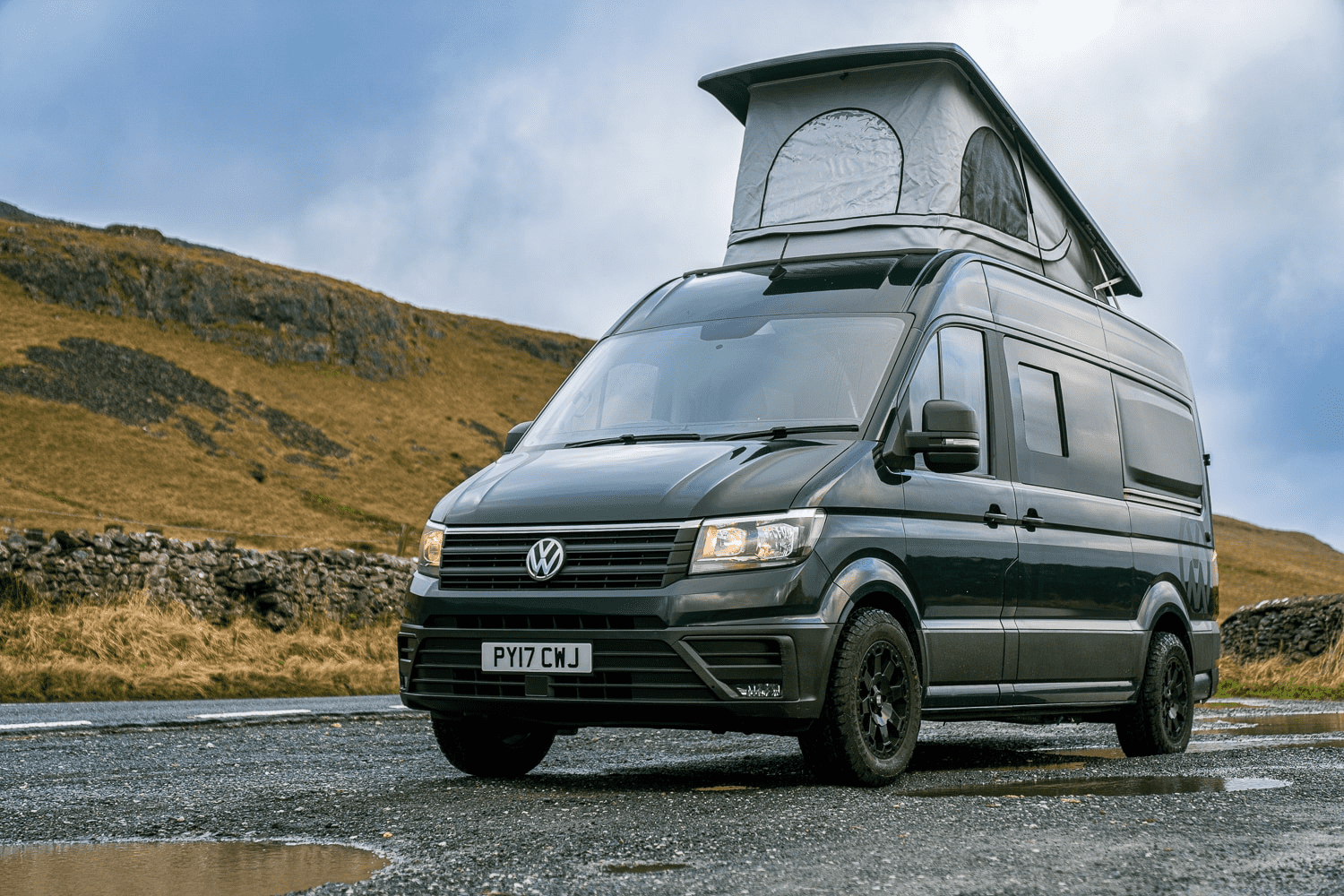
Next, find campervans that resemble the complete van you are selling. Eight to 15 close comparables is a useful target, although a rare base vehicle or unusual layout may leave you with fewer. A small set of genuinely similar vans is more helpful than 30 that merely have four wheels and a kettle.
Look at current campervans for sale to understand competing asking prices, then compare them with sold campervans on Quirky. Remember that a sold listing may show the advertised price rather than the final amount agreed, so treat it as evidence of the market rather than a receipt.
Compare the things a buyer is likely to notice and value:
- Base vehicle, year, mileage and mechanical history
- Conversion age, builder and standard of finish
- Number of berths and belted travelling seats
- Layout, standing room, storage and bed arrangement
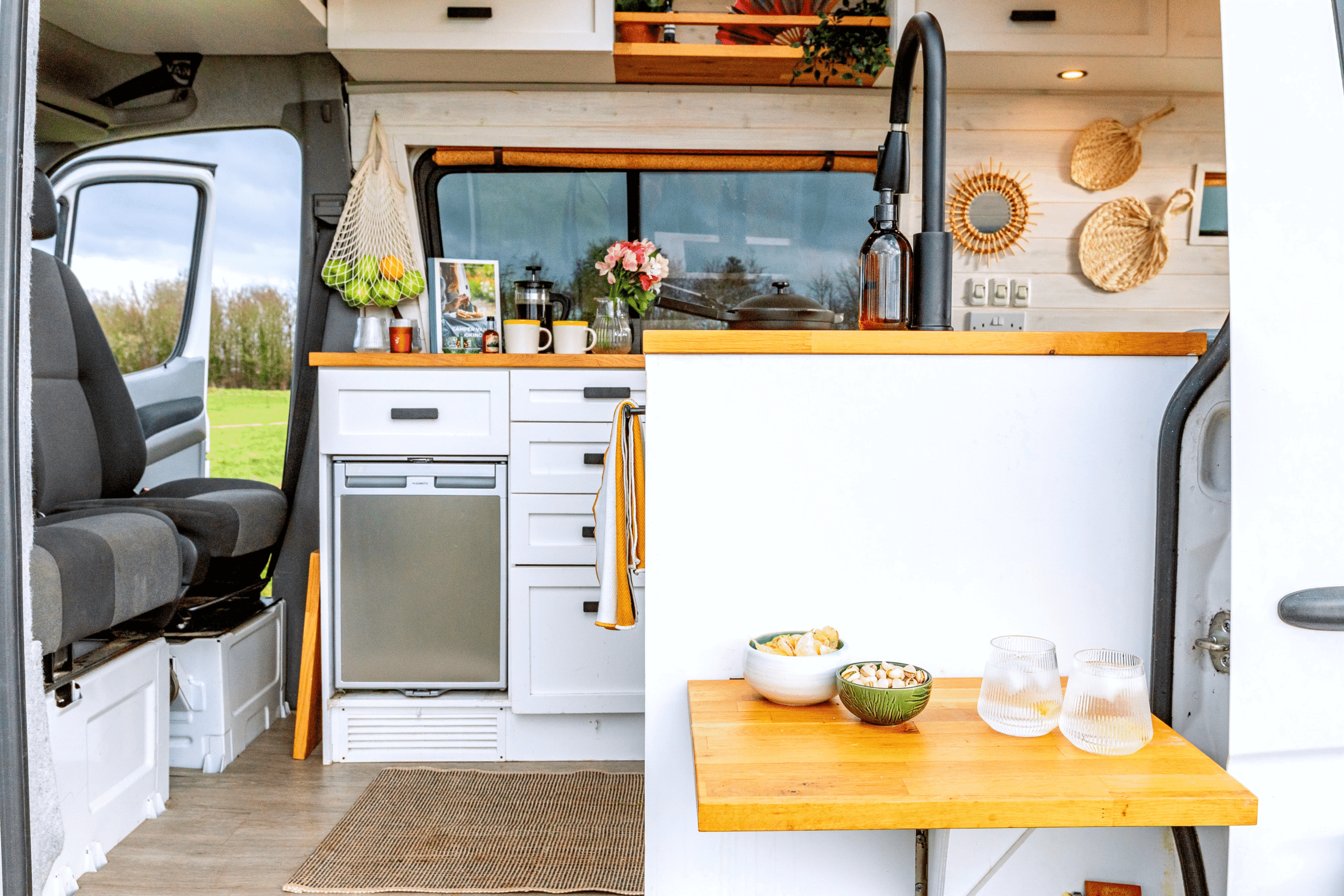
- Heating, hot water, washroom and cooking facilities
- Leisure battery, solar and off-grid capability
- Overall condition, maintenance records and supporting paperwork
Try to view your van through the same lens a buyer will use. Our used campervan buying checklist is a useful prompt because it shows the questions a careful purchaser is likely to ask.
3. Use the middle of the market, not the highest advert
Put your closest comparable asking prices in order and look at the median: the price in the middle. The median is usually more useful than the average because one wildly optimistic advert cannot drag it upwards.
For a purely illustrative example, imagine your closest matches are listed at £31,000, £32,500, £33,000, £34,000, £34,500, £35,000 and £39,995. The median is £34,000. The £39,995 van might be exceptional, overpriced or simply wearing very flattering lighting; it should not set the value of yours.
Use the median as an anchor, then create a sensible lower and upper boundary from the most similar vans. Refresh your comparison shortly before listing, because adverts appear, change price and sell. A figure collected months ago is a snapshot, not a valuation for today.
4. Adjust for the conversion, condition and evidence
Now decide whether your campervan belongs below, around or above the middle of that comparable range.
Features that can support the upper half of the range include:
- A high-quality conversion with a practical, broadly appealing layout
- Clear evidence of who completed the work and when
- Relevant gas, electrical and appliance paperwork
- A full service record and well-organised maintenance receipts
- Useful systems such as heating, solar and a healthy leisure-battery setup
- Good bodywork, a clean interior and no unexplained damp or water ingress
Reasons to move towards the lower half include:
- Rust, damp, leaks or mechanical work that needs attention
- Repeated MOT advisories or gaps in the vehicle history
- Missing paperwork or wiring and gas work that cannot be explained
- A tired finish, damaged furniture or appliances that do not work
- A very personal layout that narrows the pool of likely buyers
Be honest about what you spent. A £20,000 conversion does not automatically add £20,000 to the resale value. Buyers pay for the quality and usefulness of the finished van, not every invoice or every Sunday you gave up to fit it. Receipts are valuable evidence, but they are not a reimbursement form.
Professional conversions are not automatically worth more than self-builds, either. A careful self-build with sensible design, sound workmanship and good documentation can be very desirable. A professional badge cannot rescue poor maintenance or an awkward layout.
What does the V5C body type mean for value?
A V5C that records the body type as “motor caravan” describes how DVLA identifies the vehicle in traffic; it is not a quality certificate for the conversion. DVLA decides the recorded body type largely from a vehicle’s external appearance, and its guidance says the body-type entry does not change insurance category, speed limits or other legal requirements.
If your V5C still describes the vehicle as a van with side windows, explain the conversion clearly and check the current DVLA motor caravan guidance rather than promising a buyer that a paperwork change will increase its value. Insurers set their own terms, so both seller and buyer should describe the vehicle and its modifications accurately.
5. Choose a price that matches your deadline
Your best asking price also depends on what you need from the sale.
- Quick sale: List towards the lower end of your evidence-based range and make the advert exceptionally clear.
- Normal sale: Start around the middle to upper-middle of the range, allowing a modest amount for negotiation.
- Testing the market: Use the upper end only when the van has clear advantages and you are genuinely comfortable waiting.
A dealer or trade-buying offer can provide a useful lower benchmark, but it is not the same as the likely private-sale value. The buyer needs room for preparation, risk, warranty costs and margin.
Demand can also change through the year, but there is no guaranteed spring premium. Treat seasonality as one influence, not a pricing rule. The safer approach is to refresh your comparable set when you are ready to advertise and price against the market that is actually in front of you.
6. Let the first two weeks teach you something
Once the advert is live, pay attention to the quality of the response rather than just the view count.
- Several serious enquiries straight away may mean the price is attractive
- Plenty of views and saves but no questions may point to price, presentation or missing information
- Almost no engagement can mean the van is difficult to find, the advert is weak or the price is outside the market
- Offers clustering around one figure may reveal where buyers see fair value
- Trade enquiries far below your asking price are data, but not proof that your private-sale price is wrong
Change one thing at a time so you can tell what helped. Improve the photos or description before cutting the price if buyers seem uncertain rather than uninterested. If the advert is strong and the response remains quiet, a measured reduction is more useful than shaving off £100 every few days and looking increasingly haunted.
A ten-minute campervan valuation worksheet
Use these prompts to turn the research into a working range:
- What would the equivalent unconverted base vehicle realistically sell for privately?
- What are the asking prices of your closest complete-camper comparisons?
- What is the median of those prices?
- Which comparable is most like your van, and why?
- What evidence or features justify moving your van above the median?
- What faults, missing records or niche choices move it below?
- How quickly do you need to sell, and what is the lowest figure you would accept?
Write down a lower boundary, a likely sale range and an asking price. Keeping those three figures separate makes negotiation much easier. It also stops one enthusiastic message at midnight from becoming the entire valuation strategy.
Ready to sell your campervan?
A realistic price gets buyers through the door; a clear advert gives them the confidence to keep walking. Our guide to selling a campervan explains how to prepare the van, choose photographs and handle enquiries. When you are ready, you can list your campervan with Quirky.

Frequently asked questions
Is there an official book value for a converted campervan?
Not usually. Standard vehicle guides can help with the base van, but they do not reliably value a one-off conversion. Use the vehicle value, close campervan comparables and evidence of conversion quality together.
How many comparable campervans should I use?
Aim for eight to 15 close matches when the market gives you that many. If your van is unusual, use fewer good comparisons and widen only one feature at a time, such as mileage or conversion age.
Should I include the full cost of my conversion?
Keep the receipts because they help to show what was fitted and by whom, but do not simply add every cost to the base-vehicle value. The resale market values the finished result, its condition and its appeal to the next owner.
Are professional conversions always worth more than self-builds?
No. Build quality, safety, layout, condition and documentation matter more than the label alone. A well-executed self-build can compare strongly with professional conversions, while either type can lose value if the work is poor or records are missing.
Should I advertise above the lowest price I would accept?
Usually, yes, but keep the gap modest and evidence-based. Buyers often expect some negotiation; an inflated cushion can reduce serious enquiries and leave the advert sitting long enough to look stale.