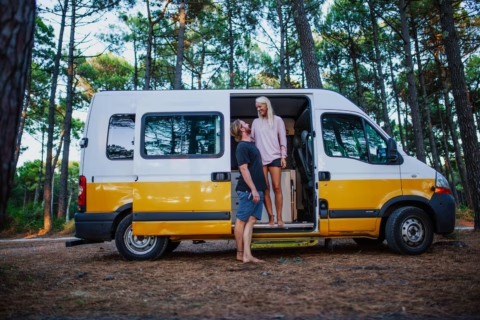
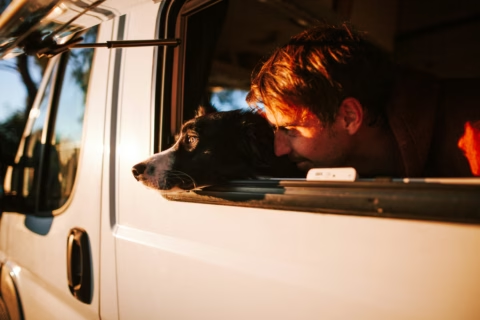


Planning a sensory-friendly campervan holiday can make exploring somewhere new feel much calmer and more comfortable. With your own little base wherever you go, you have more control over your surroundings, meals, routine and downtime.
This kind of travel can be particularly helpful for autistic travellers, people with ADHD, those with sensory processing differences, or simply anyone who finds certain environments, sounds or changes to routine overwhelming.
Rather than moving between hotel rooms, restaurants and busy public spaces, your bed, belongings, familiar snacks and quiet space can all travel with you.
Of course, sensory needs are different for everyone. What feels calming for one person might not work for another. But with a little planning, a sensory-friendly campervan holiday can still be full of freedom, adventure and plenty of good old-fashioned exploring.
Why can campervans work well for sensory-friendly holidays?
One of the biggest benefits of travelling by campervan is having a familiar space to return to throughout your trip.
If somewhere becomes too noisy or busy, you can head back to the van. If eating out feels overwhelming, you can cook something familiar. You can take quieter mornings, build in breaks and change your plans whenever you need to.
You can also choose a campervan that suits how you like to travel. You might feel more comfortable with extra space, a fixed bed, a toilet, blackout blinds or your own cooking facilities.
Take your time when you browse our unique campervans for hire and look closely at the photos, layout and facilities before booking.
Adventure, but with your own cosy retreat along for the ride.
Choose a quieter campsite
Where you stay can make a big difference to how relaxing your trip feels.
If noise and crowds can become overwhelming, look for smaller campsites, spacious pitches and places without lots of evening entertainment or busy communal areas.
Before booking, it can help to check:
- How close together the pitches are
- Whether you can request a quieter pitch
- If there are bright lights around the campsite at night
- Whether pitches are near playgrounds or communal areas
- How busy shared facilities are likely to be
- Whether there is road noise nearby
It is also worth reading recent campsite reviews and looking out for mentions of noise, lighting, facilities and how busy the site feels in practice.
Our Quirky Campsites directory is a handy place to start looking for characterful campsites around the UK.
If you cannot find the information you need online, give the campsite a quick call before booking. Knowing what to expect can make arriving somewhere new feel much easier.
Pick a campervan that feels comfortable
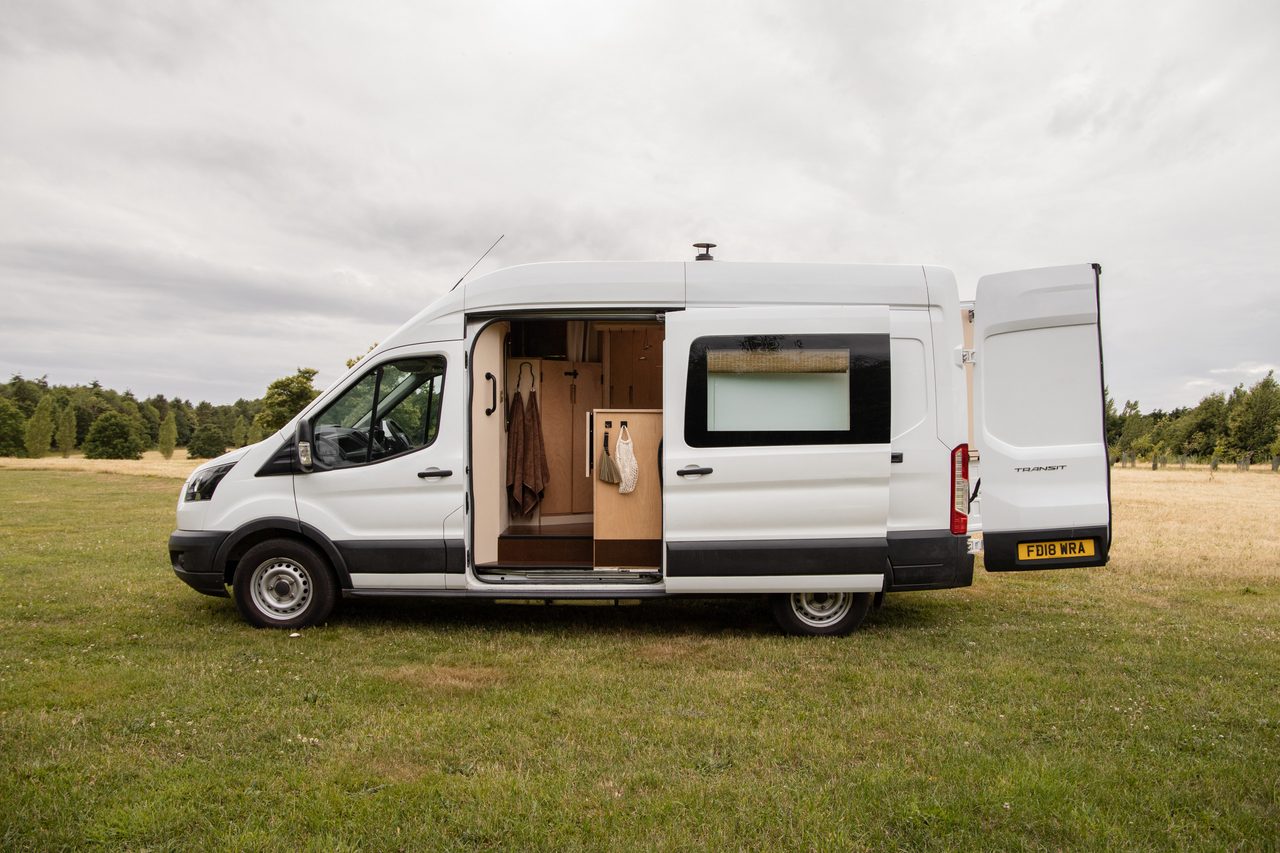
Every Quirky Camper is different, which means you can look for a space that suits your particular needs.
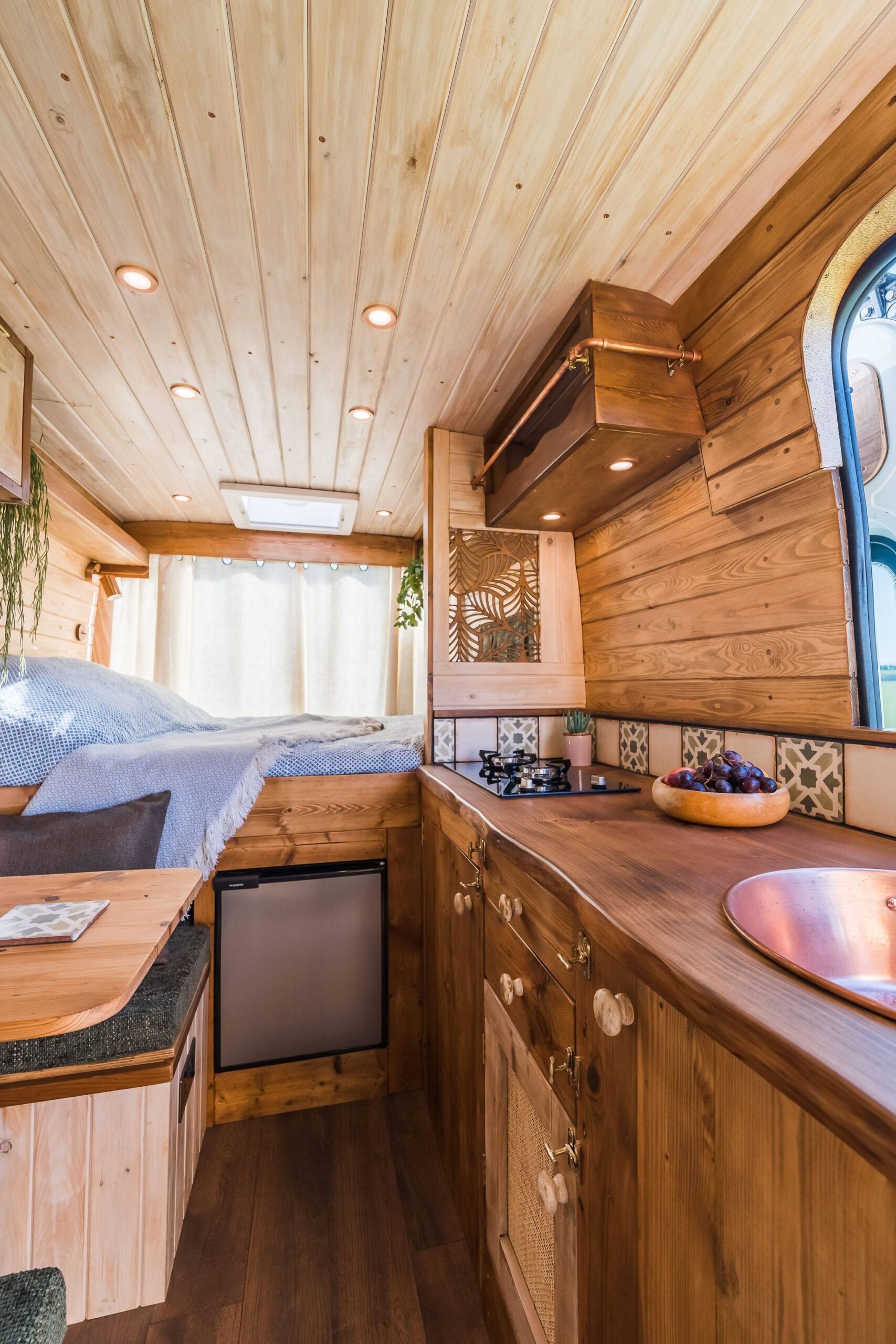
Think about lighting, bed arrangements, storage, temperature, cooking facilities and how much personal space there is.
It is also worth looking through all the photos before you travel. Knowing what the van looks like, where you will sleep and how the space is arranged can make the first day feel more predictable.
If campervan hire is completely new to you, our guide to how to hire a campervan with Quirky Campers explains what to expect before you set off.
Planning your sensory-friendly campervan holiday
Before your trip, think about which parts of travelling might feel tiring or overwhelming for you.
These could include:
- Noise
- Bright lighting
- Strong smells
- Certain textures
- Heat or cold
- Crowded spaces
- Unfamiliar foods
- Changes to routine
Sensory processing is different for everyone, so it can help to think about what affects you personally before you travel. The National Autistic Society’s guide to sensory processing has more information on how things like light, sound, smell, touch and temperature can be experienced differently.
Once you know what might be challenging, it becomes much easier to plan around it.
Noise-cancelling headphones, ear defenders, sunglasses, an eye mask, soft lighting or comfortable layers could all help, depending on your needs.
Bring familiar comforts from home
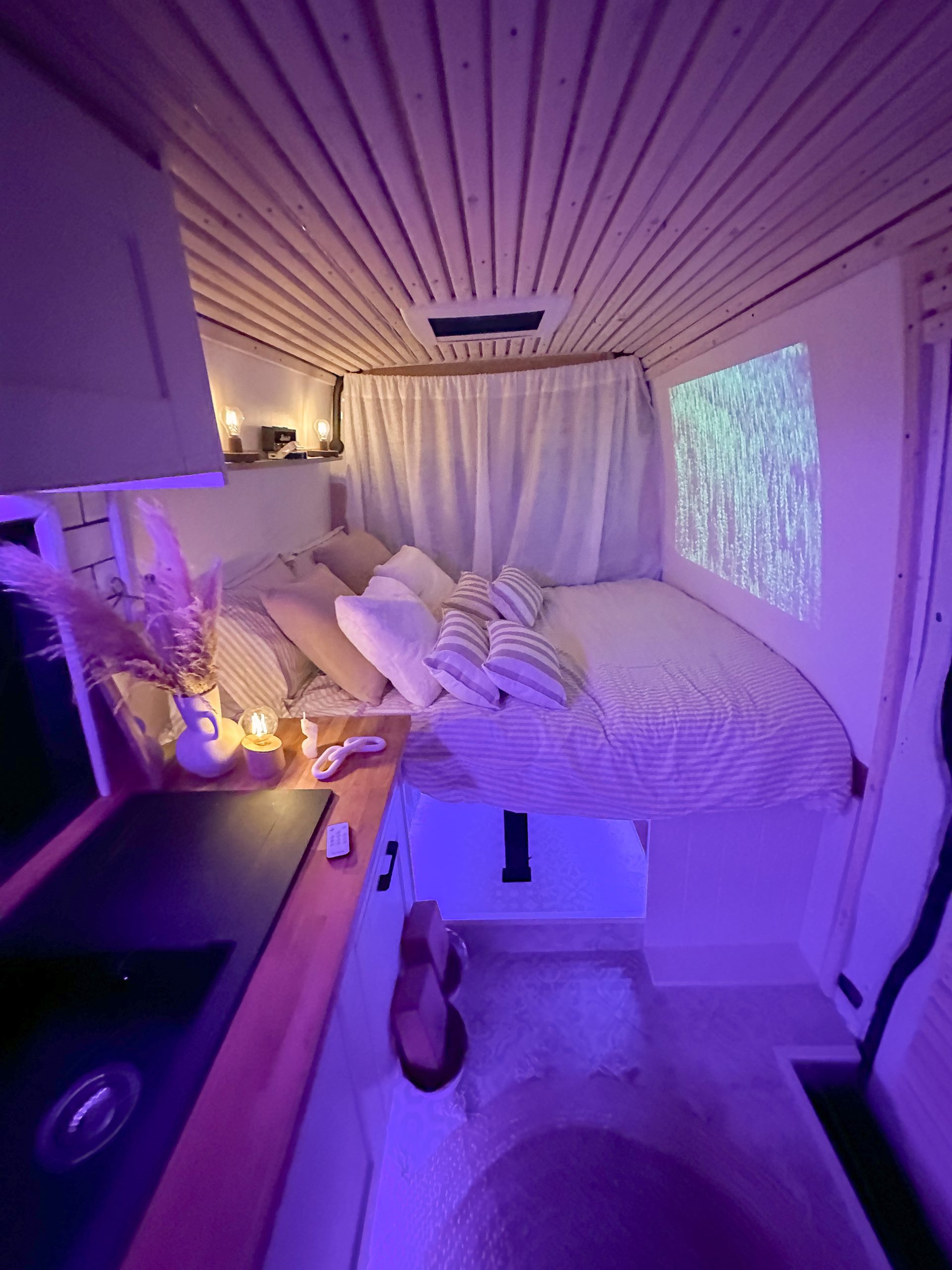
A few familiar things can make a new environment feel much more settled.
That might be your usual pillow, favourite blanket, familiar toiletries, a particular mug, comfortable clothes or foods you know you enjoy.
For children, it could be their usual bedtime book, favourite soft toy or familiar bedding.
You do not need to pack your entire house. Just bring the things that help a new space feel a little more like yours.
Keep food familiar when you want to
Having your own kitchen can be a big advantage of a campervan holiday.
If unfamiliar foods, strong smells or busy restaurants are difficult, you can bring foods you already enjoy and prepare meals in the van.
If you rely on particular foods or brands, it is worth stocking up before travelling somewhere more remote too.
Trying the brilliant little pub you spotted down the road is always an option. It just does not have to be the only option.
Make travel days calmer
The journey itself can sometimes be one of the most tiring parts of a holiday.
Travelling outside peak times, planning regular breaks and deciding where you might stop beforehand can help make the day feel more manageable.
You might prefer a quiet picnic spot to a packed motorway service station, or several shorter driving days instead of one big journey.
That is the beauty of campervan travel. There is no prize for getting there fastest.
Keep a little routine
Going on holiday does not mean everything has to change at once.
Keeping a few familiar routines, such as having breakfast at a similar time, taking a quiet break in the afternoon or following your normal bedtime routine, can add some predictability to the day.
The National Autistic Society’s holiday guidance also has useful advice on preparing for changes, allowing downtime and making travel feel more manageable.
You can still leave plenty of room for spontaneous adventures. Just do not feel like every hour needs filling.
Some of the best campervan moments happen when absolutely nothing is on the itinerary.
Pack a sensory-friendly travel kit
Everyone’s will look different, but yours might include:
- Noise-cancelling headphones, earplugs or ear defenders
- Sunglasses or an eye mask
- Familiar bedding or a favourite pillow
- Comfortable clothing and layers
- Favourite snacks and familiar foods
- A soft or low-level light
- Comfort items or fidget toys
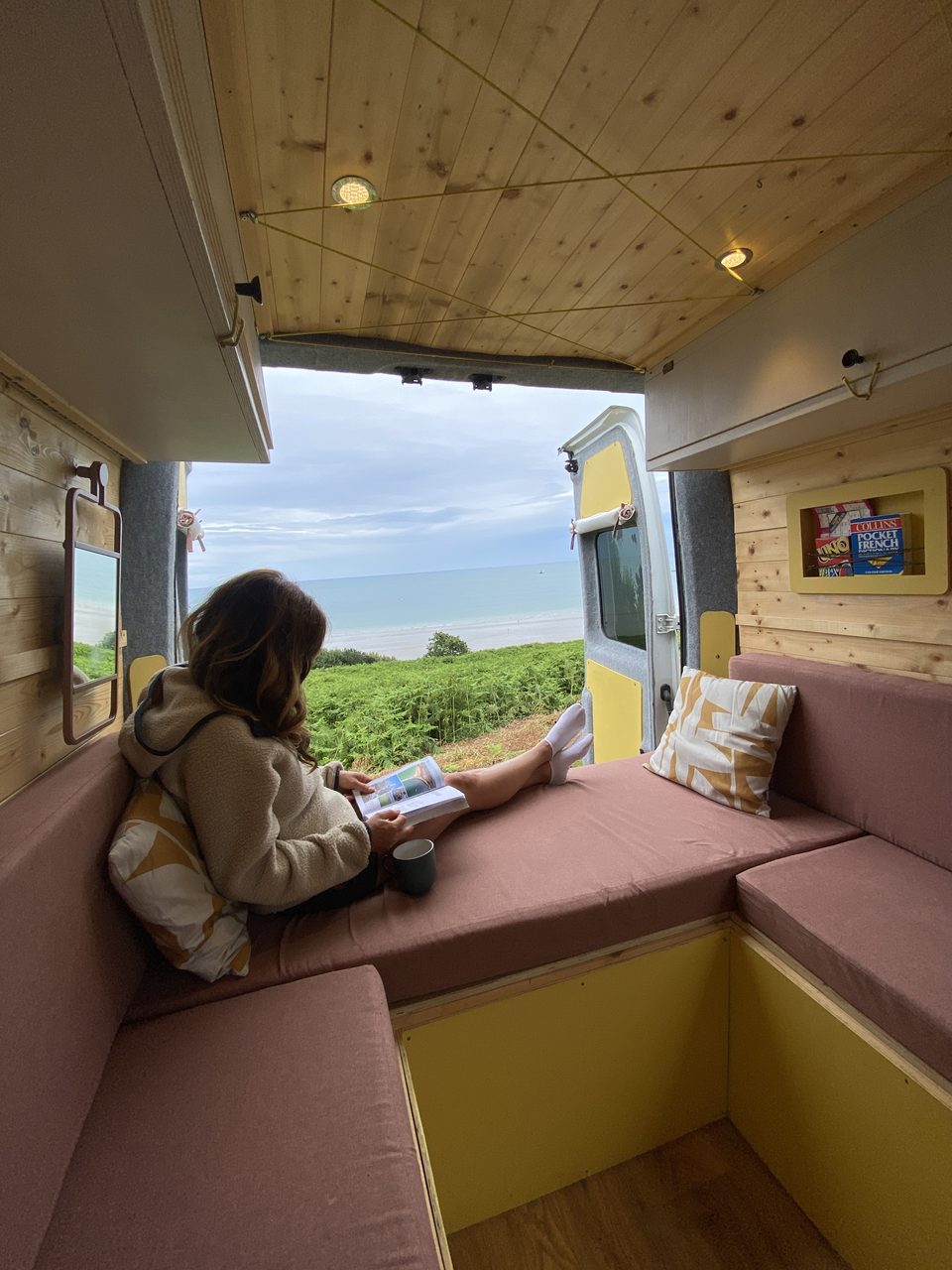
- Books, games or activities for downtime
Keeping these somewhere easy to reach means they are there when you need them.
Always have a plan B
Sometimes the beach is much busier than expected. Sometimes the café is packed. Sometimes the weather has other ideas. And sometimes you simply reach your limit for the day.
Having a quieter alternative in mind can take some of the pressure off.
One of the loveliest things about a campervan holiday is that your comfortable little base is never very far away.
A calmer kind of adventure
A sensory-friendly campervan holiday is not about avoiding adventure. It is about travelling in a way that works for you.
Having your own familiar space, the freedom to change plans and the option to slow things down can make exploring somewhere new feel that little bit easier.
Because adventure does not have to be loud, busy or packed from morning until night.
Sometimes it is a quiet campsite, a cosy campervan and nowhere you need to be until morning.
Ready to find your home on wheels?
From cosy two-person hideaways to roomy campers with all the creature comforts, find a van that works for the way you like to travel.
Find your perfect Quirky Camper and start planning your own kind of adventure.
FAQs
A sensory-friendly campervan holiday is planned around comfort, routine and reducing sensory overwhelm, with more control over things like noise, lighting, food and downtime.
Campervan holidays can work well for some autistic travellers because they offer a familiar base, flexible routines and the option to retreat to a quieter space when needed.
Choose a comfortable van, look for quieter campsites, bring familiar items, plan regular breaks and pack anything that helps with noise, light or other sensory sensitivities.
Useful items might include noise-cancelling headphones, ear defenders, an eye mask, familiar bedding, favourite snacks, comfortable clothing and comfort items
Look for smaller campsites, spacious pitches and sites away from busy roads or entertainment areas. Reading recent reviews and asking for a quieter pitch can also help.