



Every week someone asks us whether £5,000 is enough for a campervan. The honest answer is yes, but probably not the one you’re picturing. Budget expectations in the van market have drifted a long way from reality over the last few years, and the glossy YouTube tours don’t help. So here’s what each price bracket actually gets you in 2026, based on what’s moving through the Quirky Campers marketplace and the wider UK used market.
Fair warning: none of these are bad options. They’re just different trade-offs. The right budget depends on how you’ll use the van, not on what looks impressive on Instagram.
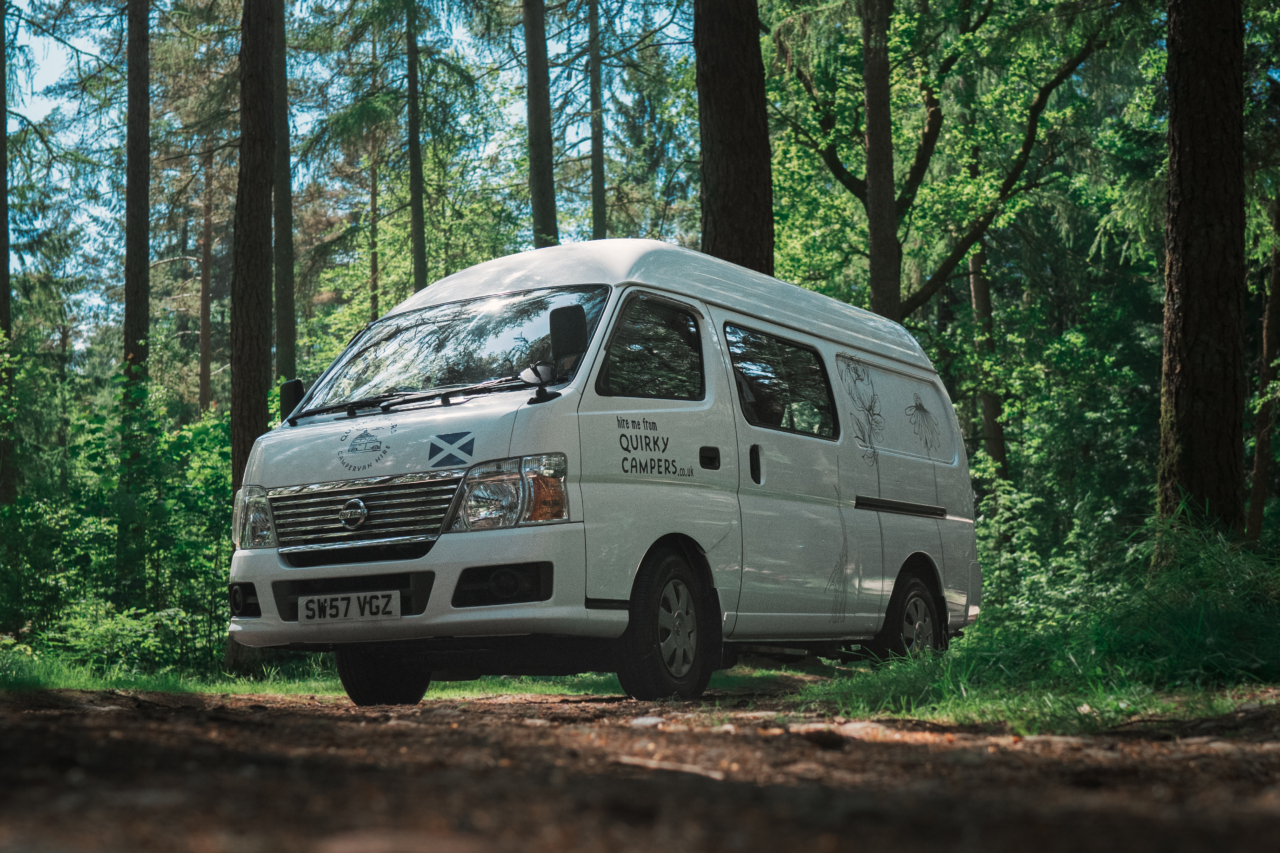
Under £5,000: the project-van bracket
At this price you’re buying either an old base vehicle with a basic self-build conversion, or a tidy van with no conversion at all. Think a high-mileage MK6 or early MK7 Ford Transit, an older Fiat Ducato, or a Peugeot Boxer from the early 2000s. Expect 150,000 miles on the clock and a conversion that’s functional rather than pretty.
What you get: a usable bed, probably a portable gas hob or a basic fitted one, and maybe a leisure battery if you’re lucky. What you don’t get: a fitted shower, a proper heater, or any guarantees about the conversion’s electrical safety.
Where this budget makes sense: festival weekends, occasional surf trips, UK short breaks in summer. If you’re happy cooking outside, using campsite facilities and treating the van as a rolling tent with a roof, £5,000 can genuinely work. We’ve seen people get three or four years of proper use out of vans in this bracket before either upgrading or moving on.
Where it doesn’t: full-time travel, winter touring, or anything involving young children. The margin for error at this price point is thin. A £1,500 repair on a £4,500 van is a meaningful percentage of what you paid, and the electrical systems often need ripping out and redoing before they’re trustworthy. Our campervan electrics guide will help you spot the warning signs.
£5,000 to £10,000: where most first-time buyers should look
This is the most active part of the market and, in our view, the best value bracket right now. You’re looking at solid mid-life base vehicles with honest self-build conversions, or slightly older professionally converted vans that have been cared for. A 2010 to 2014 Ford Transit MK7 with a decent self-build fits here, as does a well-kept LDV Maxus or a tidy Renault Master.
What you get: a fixed or rock-and-roll bed, fitted kitchen with a two-burner hob and sink, leisure battery with a basic 12V system, and often a split charge relay so the engine tops up your battery as you drive. Some will have heaters, usually a diesel night heater rather than a gas blown-air system.
The big win at this price: the van should actually work as a van. You can turn up at a campsite, plug in or run off battery for a couple of days, cook a proper meal and sleep comfortably. You’re not patching things together.
What to check hard: damp around the roof seams and windows, the condition of the leisure battery and any gas installation. A gas certificate from a Gas Safe engineer is non-negotiable if there’s a fixed hob or heater. And take the pre-purchase checklist with you when you go to view.
£10,000 to £15,000: proper conversions, proper holidays
This is where campervans start to feel like campervans rather than converted vans. Expect a later MK7 Transit, an early Mercedes Sprinter or a professionally built Ducato from the mid-2010s. The conversions at this level are usually either excellent self-builds by people who knew what they were doing, or solid work from smaller professional converters.
What you get: proper insulation so the van is usable in spring and autumn, a decent 12V system with a 100Ah or larger leisure battery, often a Webasto or Eberspacher diesel heater, a fitted kitchen with a three-burner hob, and storage that actually works. Many will have a porta-potti or even a fitted cassette toilet. A few will have basic solar panels, which makes off-grid weekends genuinely practical.
Layouts matter more at this level because you’re paying for them. A fixed rear bed with a garage underneath is the most practical layout for two people who travel with bikes or a lot of kit. A rock-and-roll bed is more flexible and keeps the van usable as a day vehicle. The campervan layouts guide has a full breakdown if you’re still deciding.
Honest opinion: this is where we’d spend our own money if we were buying today. The gap between £10k and £15k conversions is smaller than the gap between £5k and £10k. The extra £5,000 at the bottom of the market buys you a lot more reliability than the extra £5,000 at the top of this bracket.
What you’re paying for as the price climbs
Once you understand what each bracket offers, the question isn’t “how cheap can I go” but “what am I actually paying for as the price climbs?” Three things mostly: base vehicle age and condition, conversion quality, and fitted kit. The base vehicle differences are obvious. Conversion quality is harder to see but matters most. Fitted kit (shower, oven, solar, lithium batteries) is the easiest to value but should come last in your decision.
A cheap conversion on a good van is fixable. A good conversion on a worn-out van is a money pit. Always prioritise the base vehicle. If the mechanicals are tired, everything else is decoration.
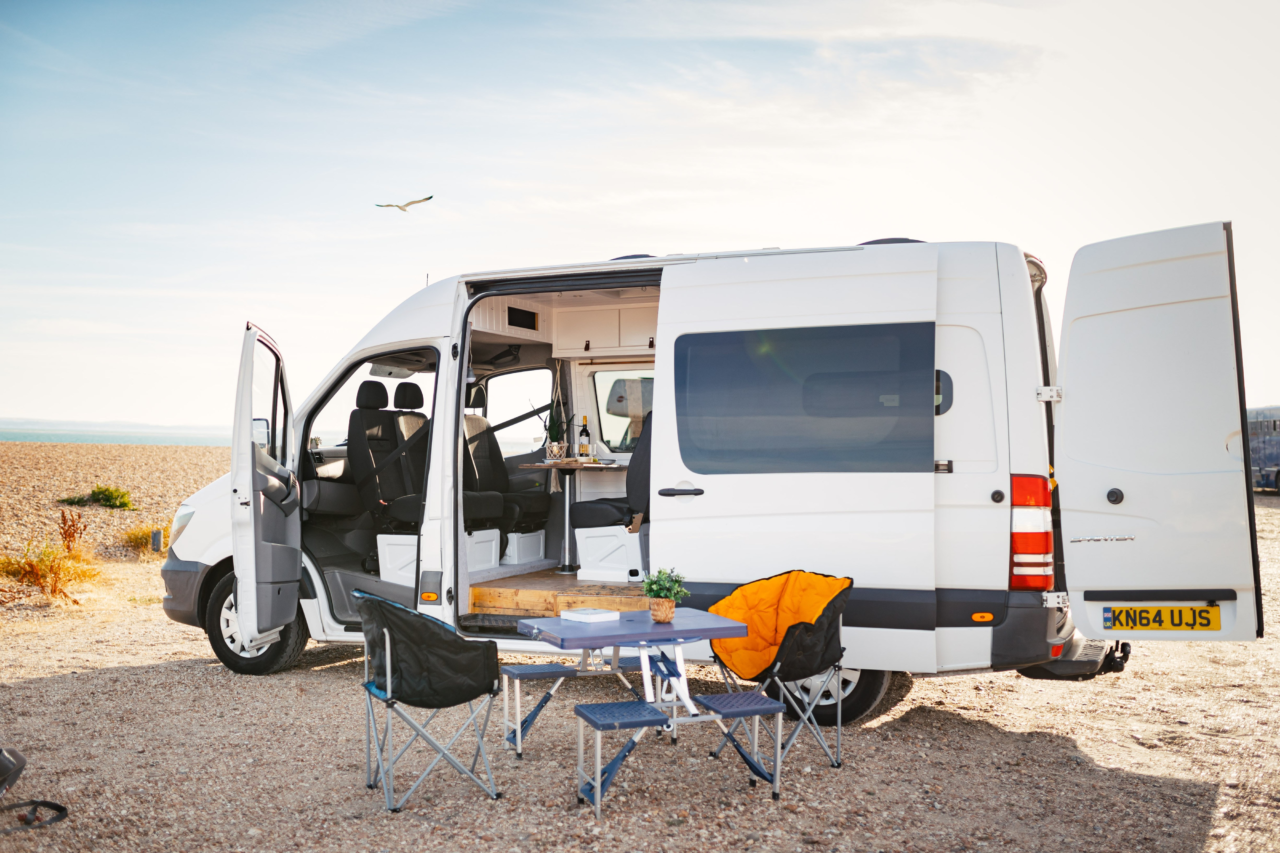
Where the bargains hide
The best value we see comes from private sellers who built the van themselves, used it for three or four years, and are now moving on for life reasons rather than because the van has a problem. A growing baby, a new job, a house purchase. These vans are often priced sensibly because the seller isn’t trying to recoup their build costs, they just want a fair price and a quick sale. The Quirky Campers marketplace is full of exactly this kind of listing, and it’s the segment where your budget stretches furthest.
Avoid the dealer forecourts for anything under £15,000 unless you’re buying a warranty-backed van as a deliberate decision. The margin dealers add at this price point eats your budget without adding much value, and the conversions they take in are often ones private sellers couldn’t shift.
Picking the right bracket for you
If you’re buying your first van and you’re nervous about committing, start at £8,000 to £12,000. Enough van to enjoy, not so much that a mistake ruins you. If you know exactly how you want to use the van and you’ve got the patience for a project, £5,000 can work. If you want to step straight into comfortable weekend trips without the learning curve, £12,000 to £15,000+ is where the good stuff lives.
Whatever your budget, resist the temptation to stretch for more kit. A simple, well-built van in your price bracket will serve you better than an overloaded van at the top of your budget with nothing left for running costs or repairs. Browse the current campervans for sale and filter by price; you’ll get a feel for what’s realistic faster than any guide can tell you.